
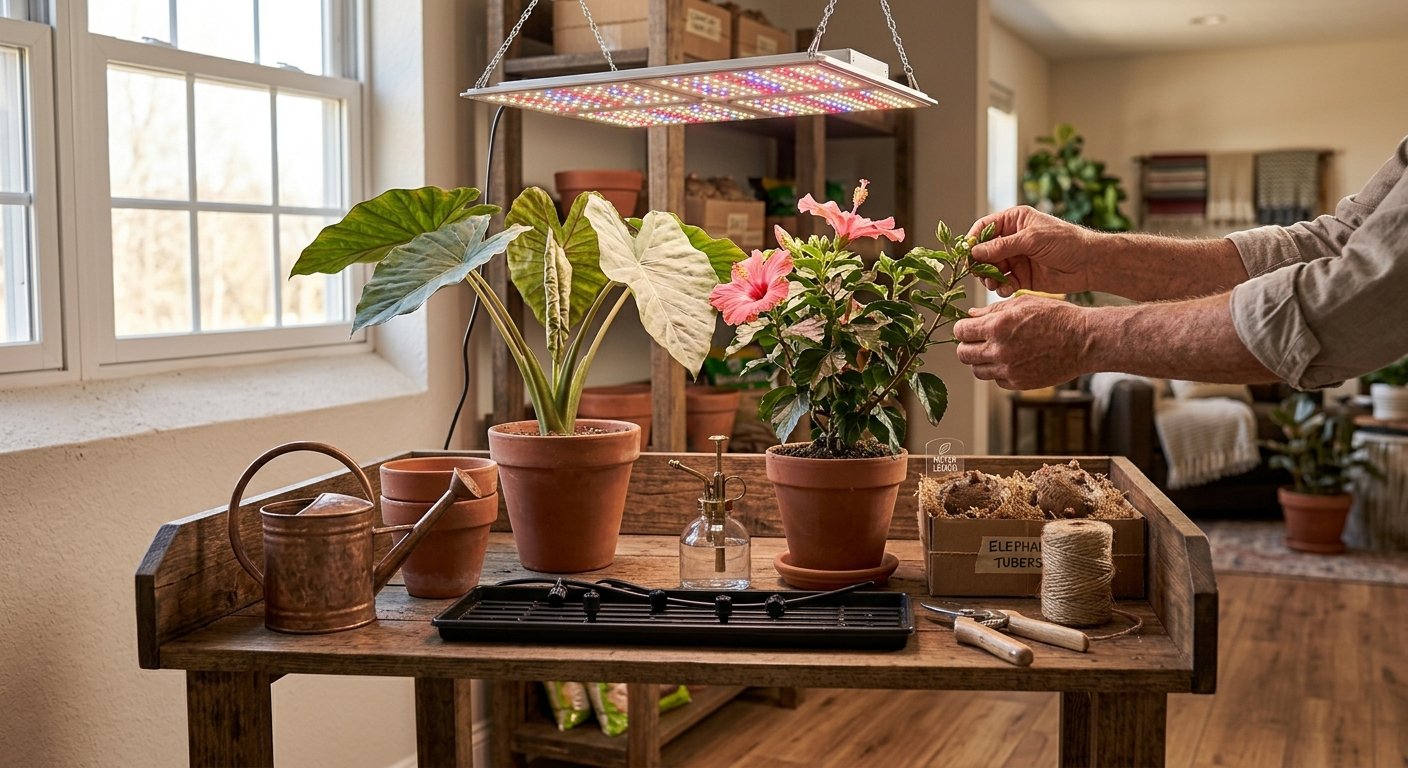
Learning how to overwinter tropical plants indoors allows gardeners in cold climates to preserve prized specimens like hibiscus, bougainvillea, citrus, and elephant ears year after year. Tropical plants originate in warm, humid regions and suffer severe cellular damage or mortality when exposed to temperatures below 50°F (10°C).
Bringing these heat-loving varieties indoors before the first frost protects your investment and ensures vibrant foliage and blooms return next spring. This complete guide outlines the essential steps for transitioning, insulating, and caring for tropical plants inside your home throughout the winter season.
Key Takeaways
- Transition Before Frost: Move tropical plants inside when night temperatures consistently drop to 50°F (10°C) to prevent cold shock.
- Inspect and Treat for Pests: Thoroughly spray plants with insecticidal soap or neem oil before bringing them indoors to prevent pest infestations.
- Adjust Watering Routines: Reduce irrigation frequency significantly during winter, as lower indoor light levels slow plant growth and evapotranspiration.
- Maximize Indoor Light: Place active foliage plants near south-facing windows or supplement with full-spectrum LED grow lights for 12–14 hours daily.
- Dormancy Option for Tubers: Store corms and tubers (like caladiums and cannas) in a dark, cool space between 45°F and 55°F after foliage dies back.
Why Learning How to Overwinter Tropical Plants Indoors Matters
Mastering how to overwinter tropical plants indoors keeps tender perennials thriving while saving you money on seasonal replacements.
Indoor winter conditions—characterized by low light, dry furnace heat, and stagnant air—present unique challenges for tropical vegetation. Understanding proper light management, humidity control, and pest prevention creates a balanced indoor microclimate that preserves plant health until spring.
Pre-Transition Preparation and Pest Inspection
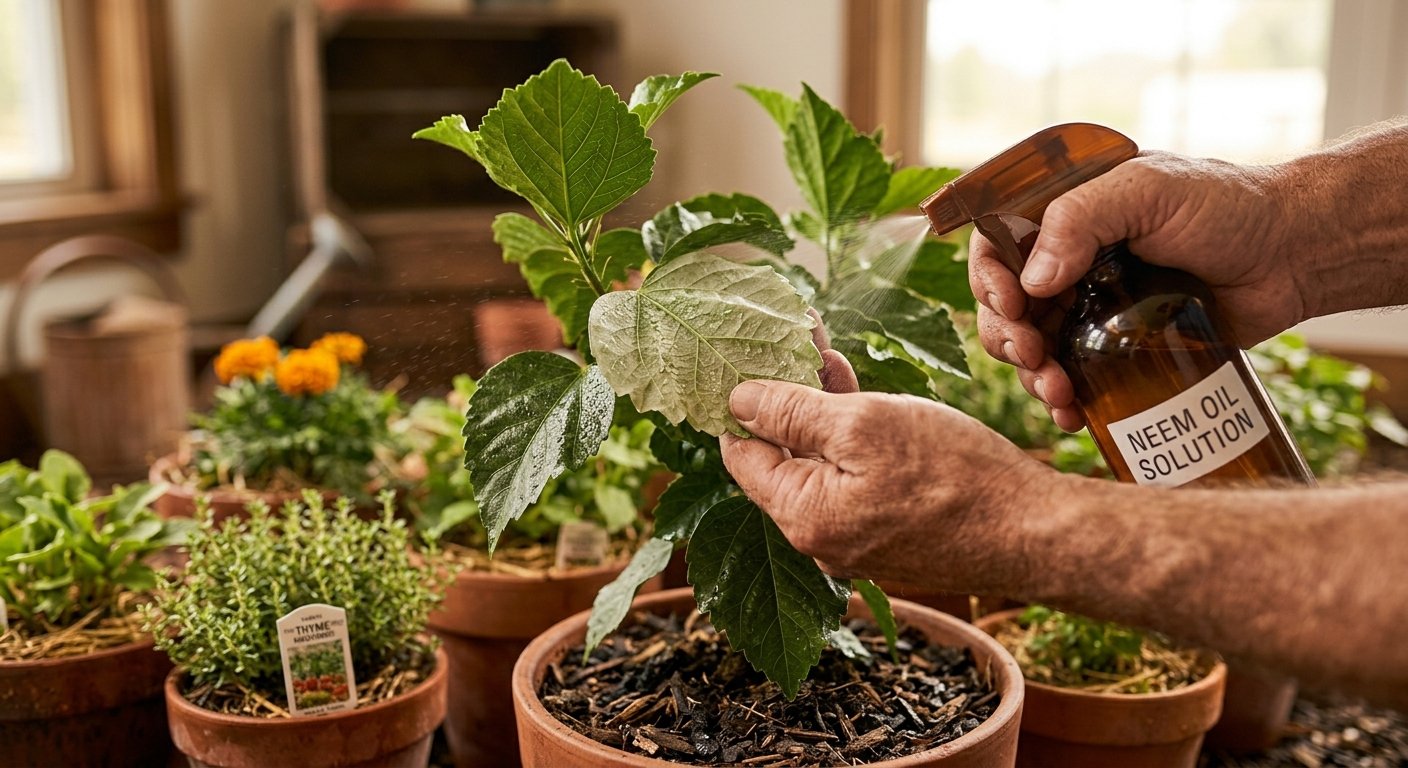
Bringing outdoor pests into a warm indoor environment can quickly lead to widespread spider mite, scale, or mealybug infestations:
1. Pruning and Cleaning
Cut back leggy or dead growth by one-third to make plants easier to manage indoors and reduce moisture demands. Wash off dust and grime from leaves using a gentle spray of warm water.
2. Pest Quarantine and Treatment
Treat foliage and soil 3 to 5 days before moving pots inside. Spray both sides of leaves with insecticidal soap or neem oil. Drench the soil to force subterranean pests like fungus gnats out of the root zone.
Active Growth vs. Dormancy Overwintering Strategies
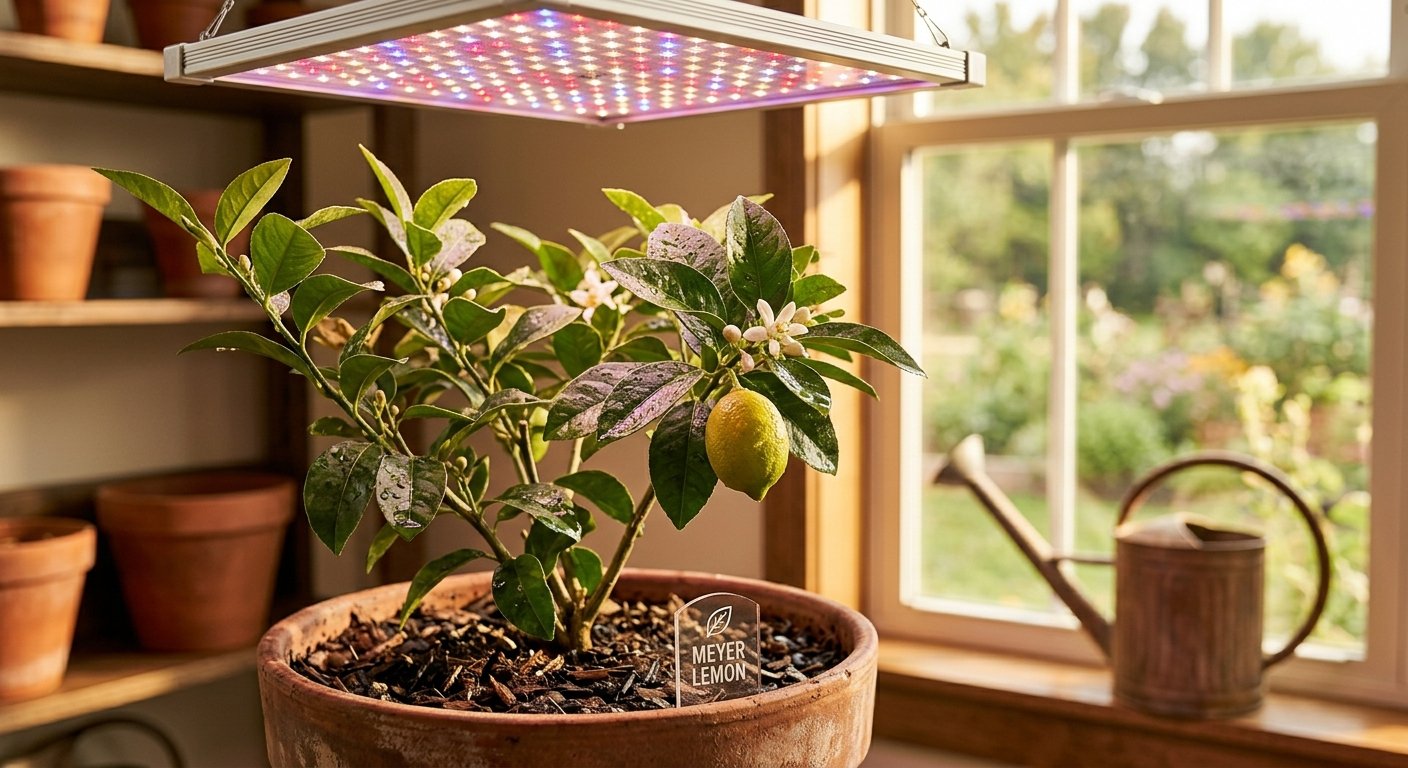
Tropical species require different winter storage approaches based on their biology:
Active Foliage Method (Evergreen Tropicals)
Keep plants like citrus, hibiscus, and palms alive with active leaf growth. Place them in the sunniest room available, supplement with LED grow lights, and maintain room temperatures between 60°F and 70°F (15°C–21°C).
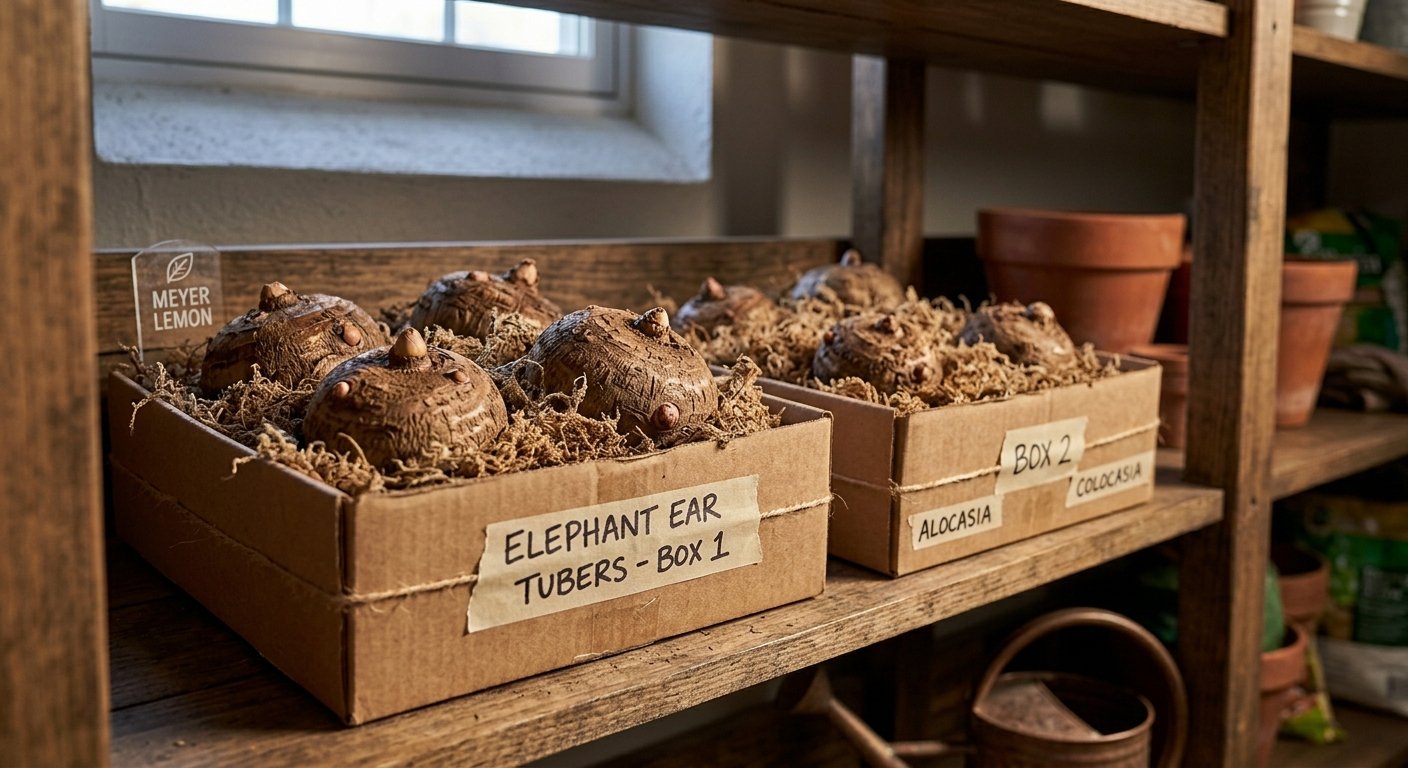
Dormant Storage Method (Tuberous Tropicals)
Allow plants like banana trees, cannas, dahlias, and elephant ears (Colocasia) to enter dormancy. Cut back dead foliage after the first light frost, dig up tubers or move dormant pots into a cool, dark basement or garage maintained at 45°F to 55°F (7°C–13°C).
Winter Maintenance: Watering, Light, and Humidity
- Watering Caution: Allow the top 2 inches of soil to dry completely before watering. Overwatering dormant or slow-growing plants causes rapid root rot.
- Humidity Management: Boost dry indoor humidity around plants using pebble trays filled with water, grouping pots together, or running a ultrasonic cool-mist humidifier nearby.
Conclusion
Understanding how to overwinter tropical plants indoors protects your favorite tender varieties from destructive freezing weather. By inspecting for pests, matching light and humidity requirements to each plant species, and avoiding overwatering, you ensure your tropical collection returns to lush outdoor growth as soon as warm weather arrives.
Frequently Asked Questions
When should I start the process of how to overwinter tropical plants indoors?
Begin transitioning tropical plants indoors when overnight outdoor temperatures drop to 50°F (10°C). Waiting until the first hard freeze can damage sensitive foliage and cause severe transplant shock.
Do tropical plants lose their leaves when brought indoors for winter?
Yes, it is common for tropical plants to drop a portion of their leaves when adapting to lower indoor light and humidity. As long as stems remain green and healthy, new leaves will acclimate to indoor conditions.
Should I fertilize my tropical plants while overwintering indoors?
No. Avoid applying fertilizer from late autumn through winter. Tropical plants slow their growth during dark winter months, and unused fertilizer salts can burn sensitive root systems. Resume feeding in early spring when new growth appears.
1 thought on “Overwintering: How to Overwinter Tropical Plants Indoors”