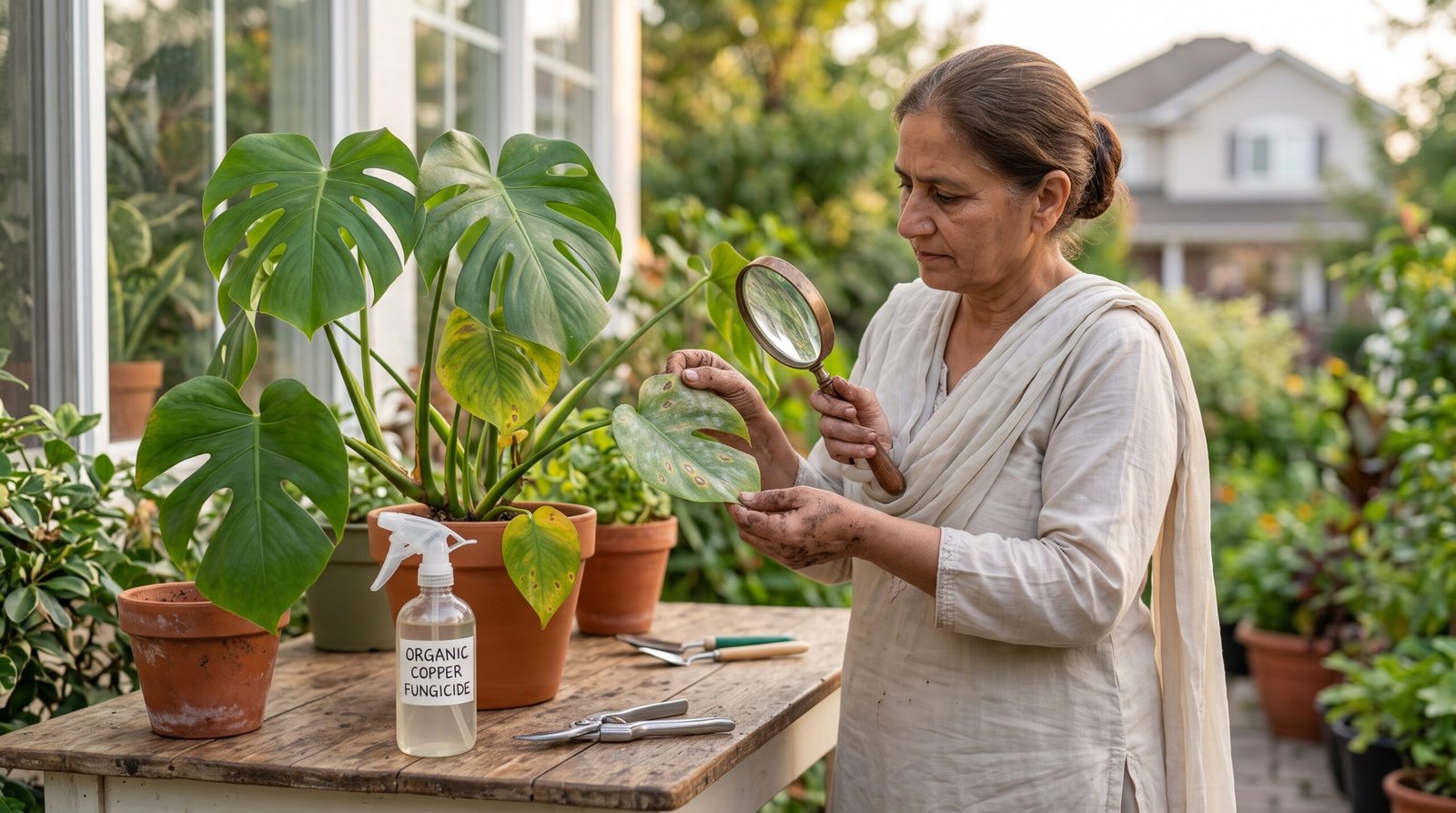
Maintaining vibrant houseplants and garden crops requires vigilant plant health management. Recognizing early symptoms through accurate plant disease diagnosis and treatment prevents minor infections from spreading across your entire garden or indoor collection.
Fungal spores, bacterial infections, and plant viruses present distinct visual warning signs. Understanding how to differentiate between leaf spots, root rot, powdery mildew, and nutrient deficiencies allows you to apply targeted treatments quickly while protecting beneficial soil microorganisms.
Key Takeaways
- Early Identification: Early detection of leaf spots, wilting, or discolorations limits pathogeic spread across healthy plants.
- Diagnose Before Treating: Distinguish environmental stress (overwatering, sunburn) from true fungal or bacterial pathogens to avoid unnecessary chemical applications.
- Isolate Infected Plants: Quarantine symptomatic plants immediately to prevent airborne spores or insect vectors from infecting surrounding foliage.
- Cultural Control First: Adjust watering habits, air circulation, and humidity levels before applying organic or synthetic fungicides.
- Sanitation Practice: Always sanitize pruning shears between cuts using 70% isopropyl alcohol to eliminate cross-contamination.
The Importance of Plant Disease Diagnosis and Treatment
Unchecked plant diseases can rapidly destroy healthy foliage, weaken root systems, and kill mature specimens. Practicing timely plant disease diagnosis and treatment saves your investment in your garden and reduces reliance on heavy chemical controls.
Most plant health issues stem from the “Disease Triangle”—the presence of a susceptible host plant, a active pathogen, and favorable environmental conditions (such as stagnant air or excessive moisture). Interrupting any part of this triangle stops disease progression.
Common Plant Pathogens: Diagnosis and Symptoms
Accurate diagnosis begins with recognizing how specific pathogens manifest on stems, leaves, and roots.
1. Fungal Infections (The Most Common Threat)
Fungal spores thrive in high humidity and stagnant air.
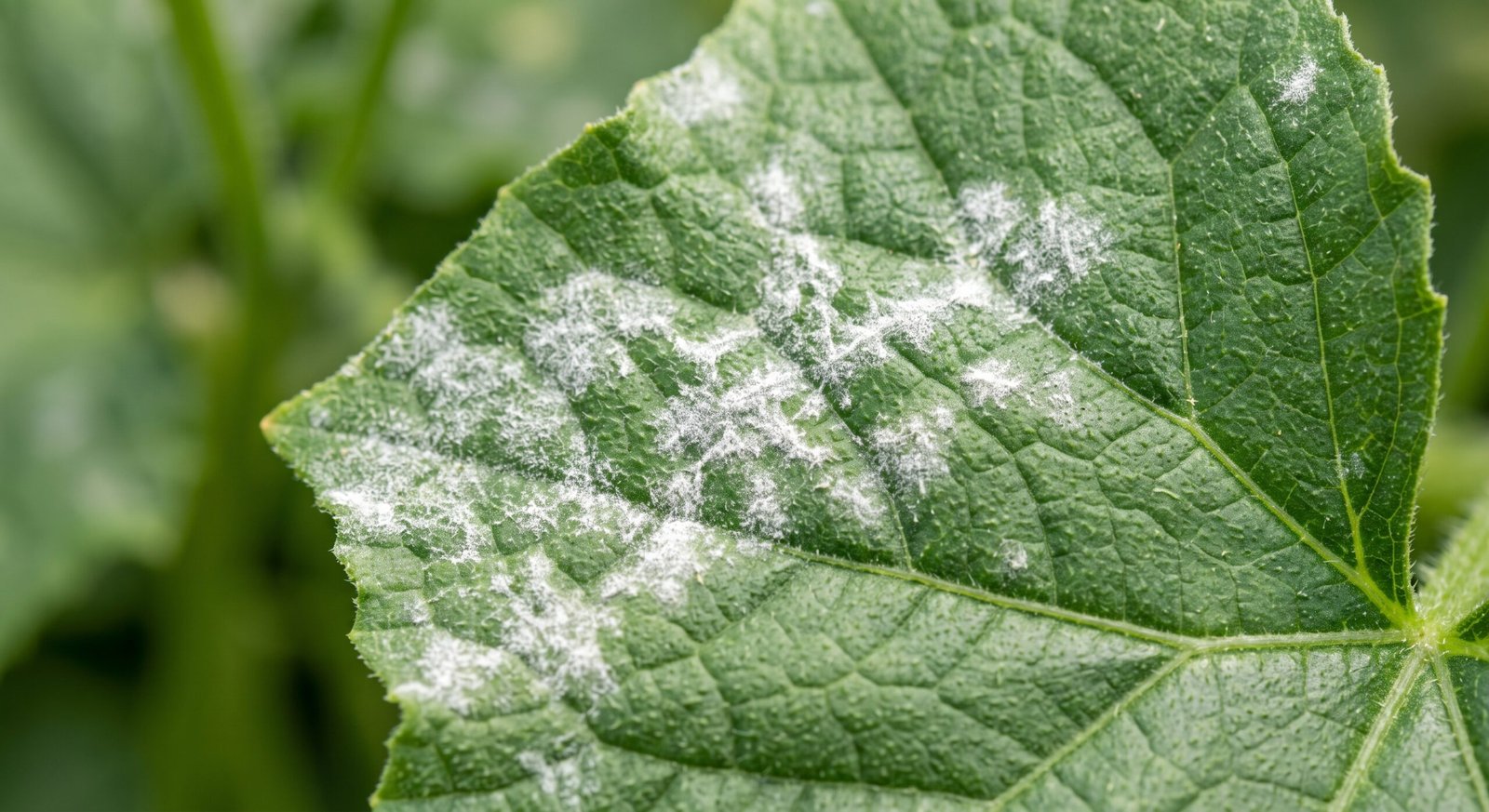
- Powdery Mildew: White, flour-like powder coating leaf surfaces and young shoots.
- Black Spot & Leaf Spots: Circular dark brown or black spots with yellow halos expanding on leaves.
- Root Rot (Pythium/Phytophthora): Black, mushy, foul-smelling roots accompanied by yellowing leaves and sudden plant collapse.
2. Bacterial Plant Diseases
Bacterial pathogens often enter plants through mechanical wounds or open stomata.
- Bacterial Blight: Water-soaked lesions on leaves that rapidly dry out, turn brown, and drop.
- Crown Gall: Rough, woody swellings appearing at the soil line where stems meet roots.
3. Viral Plant Infections
Viruses are typically spread by sap-sucking insects like aphids, thrips, and whiteflies.
- Mosaic Virus: Mottled yellow and green patterns across leaves, accompanied by stunted, twisted new growth. Note that viral diseases cannot be cured; infected plants must be removed to protect the rest of your garden.
Step-by-Step Treatment Strategies for Healthy Growth
Step 1: Quarantine symptomatic Plants
Isolate any plant displaying signs of fungal spots or bacterial leaf decay to prevent airborne spore transmission to nearby houseplants.
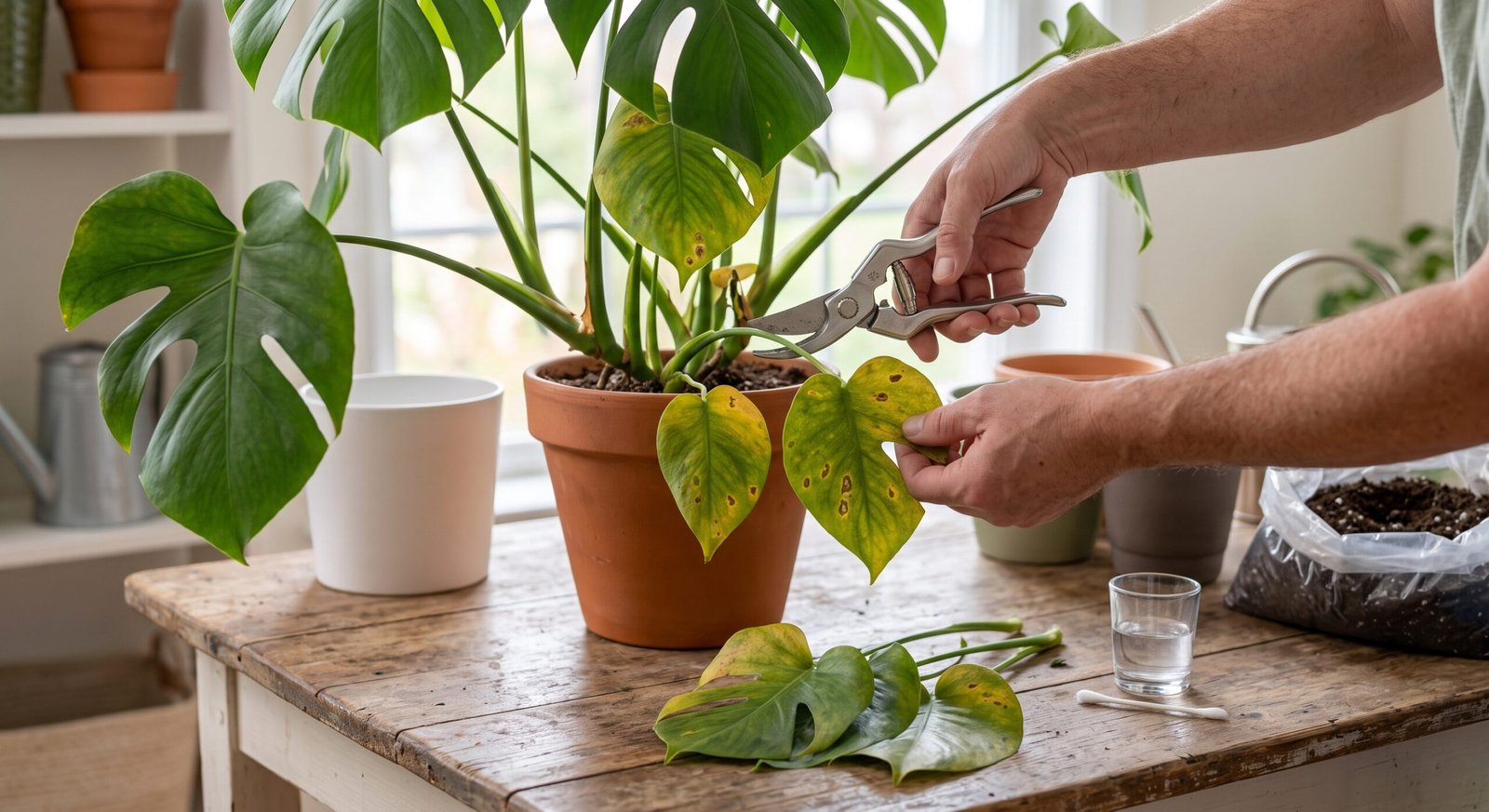
Step 2: Prune Damaged Foliage
Trim away severely infected leaves using sharp shears. Sanitize the blades with rubbing alcohol after every cut to prevent spreading pathogen spores across healthy stems.
Step 3: Apply Targeted Treatments
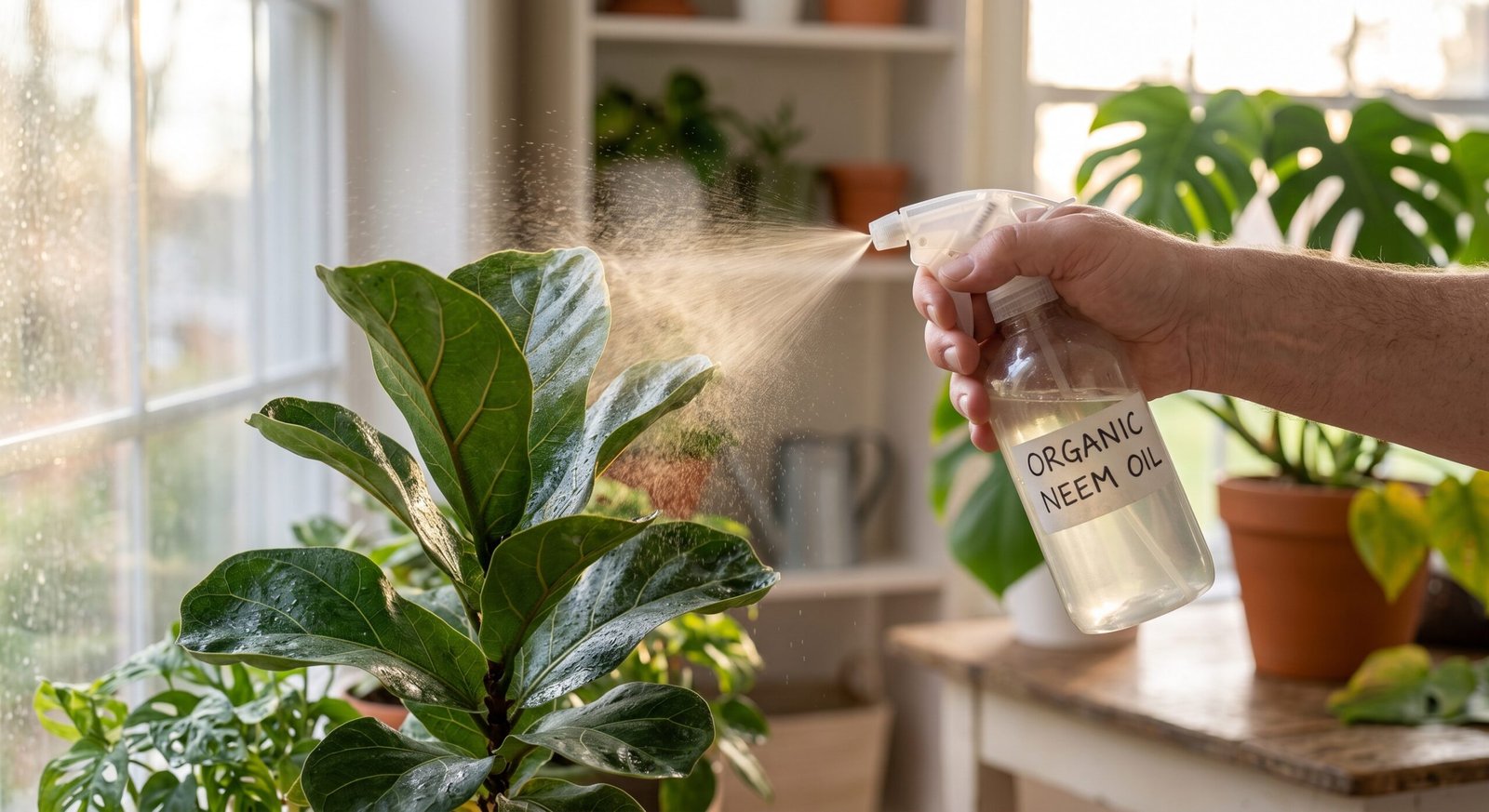
- Fungal Leaf Spots: Spray leaves with organic neem oil or copper fungicide diluted according to label directions.
- Root Rot: Unpot the plant, cut away black mushy roots with sterile shears, drench remaining roots in a diluted hydrogen peroxide solution, and repot in fresh, well-draining soil.
Preventative Practices to Stop Disease Before It Starts
Prevention remains the most effective long-term approach to plant disease diagnosis and treatment.
- Water at the Soil Line: Keep leaf canopy dry by watering the soil directly. Wet foliage creates ideal conditions for fungal spore germination.
- Improve Air Circulation: Space plants far enough apart to ensure adequate airflow around leaves, reducing localized humidity pockets.
- Use Clean Potting Soil: Always use fresh, sterile potting mixes when repotting to avoid introducing soil-borne pathogens.
Conclusion
Mastering plant disease diagnosis and treatment empowers you to identify pathogens early, prune damaged growth safely, and apply effective organic remedies. By maintaining proper spacing, clean tools, and balanced watering, your indoor and outdoor plants will remain resilient against common disease outbreaks.
Frequently Asked Questions
What is the fastest way to treat fungal plant disease diagnosis and treatment at home?
Isolate the plant immediately, cut off infected leaves with sanitized shears, and apply an organic copper fungicide or neem oil spray to remaining foliage to stop spore development.
Can a plant recover from severe root rot?
Yes, if caught early. Remove the plant from its pot, prune away all black, mushy roots, treat the remaining healthy root system with diluted hydrogen peroxide, and repot in dry, well-draining soil.
What causes yellow spots on plant leaves?
Yellow spots can stem from fungal leaf spot infections, bacterial blight, pest infestations (like spider mites), or environmental stress like overwatering. Inspect leaf undersides closely to confirm the exact cause.
1 thought on “Diseases: Plant Disease Diagnosis and Treatment”