
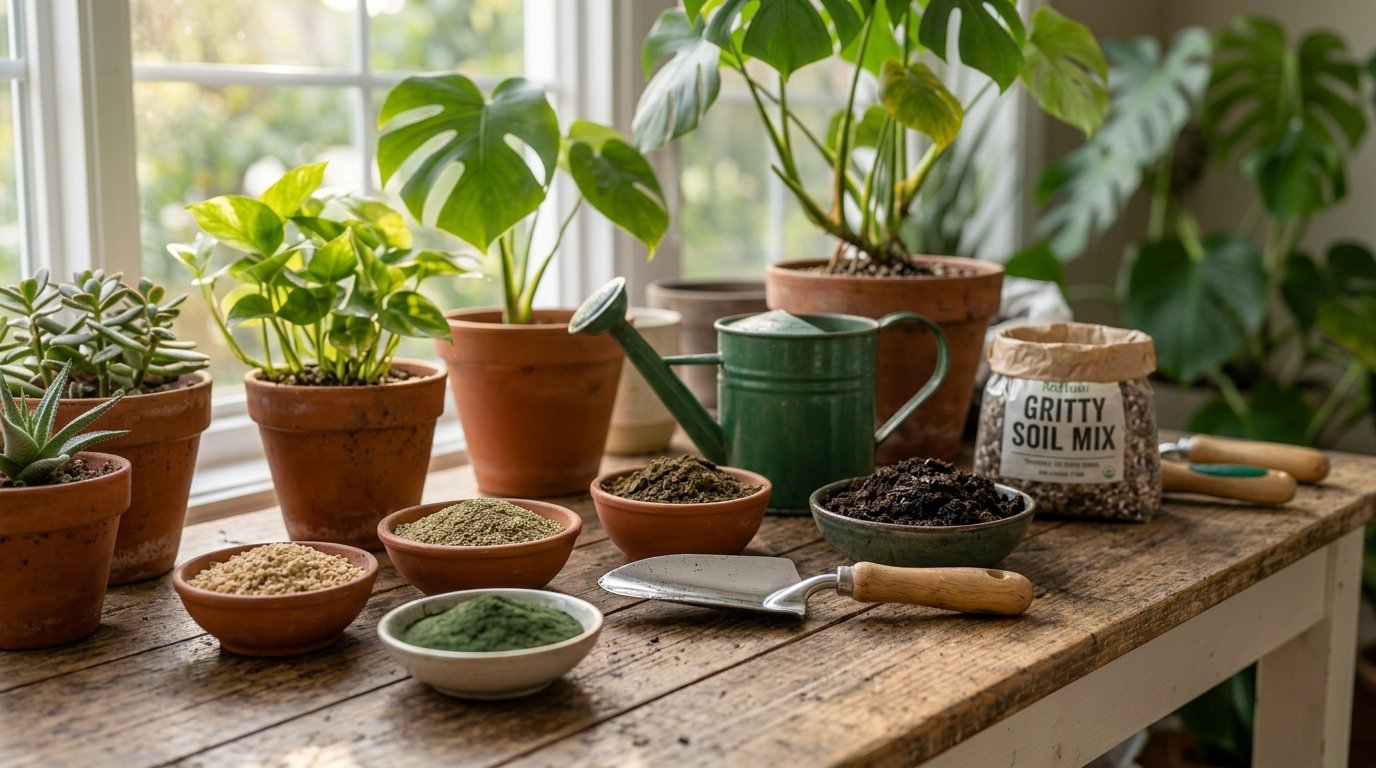
Feeding your plants natural soil amendments builds long-term soil structure, encourages beneficial microbial activity, and provides slow-release nutrients without the risk of synthetic chemical burns. Following this best organic plant fertilizers guide will help you understand how natural nitrogen, phosphorus, and potassium sources feed both indoor houseplants and outdoor garden beds.
Unlike synthetic fertilizers that provide quick chemical rushes followed by soil depletion, organic options release nutrients gradually. By feeding the soil ecosystem rather than just the roots, you create resilient plants capable of resisting pests and environmental stress.
Key Takeaways
- Soil Biology First: Organic fertilizers feed soil microbes, earthworms, and mycorrhizal fungi, which convert organic matter into bioavailable plant nutrients.
- Balanced NPK Ratios: Primary macronutrients—Nitrogen (N) for foliage, Phosphorus (P) for roots/blooms, and Potassium (K) for overall vigor—must align with plant growth stages.
- Slow-Release Advantage: Natural amendments break down gradually, minimizing nutrient leaching and root burning.
- Liquid vs. Dry Formulations: Liquid organic options like kelp or fish emulsion offer rapid foliage pick-me-ups, while dry amendments build long-term soil health.
- Soil pH Awareness: Organic amendments break down most effectively in slightly acidic to neutral soil (pH 6.0–7.0).
Understanding NPK in Organic Gardening
Before choosing specific amendments from this best organic plant fertilizers guide, understanding the fundamental NPK ratio printed on fertilizer packaging is essential.
- Nitrogen (N): Drives vegetative growth, stem development, and rich chlorophyll production in leaves.
- Phosphorus (P): Stimulates strong root development, flower initiation, fruit set, and seed production.
- Potassium (K): Enhances water regulation, disease resistance, cold hardiness, and overall cellular strength.
Top Natural Soil Amendments for Your Garden
Selecting the right natural fertilizer depends on your plant species and current growth stage.
1. Organic Nitrogen Boosters
- Blood Meal (12-0-0): A fast-acting dry powder ideal for heavy feeders like leafy greens, corn, and growing houseplants.
- Fish Emulsion (2-4-1 to 5-1-1): A liquid bio-stimulant that provides an immediate, easily absorbed nitrogen hit for slow-growing foliage.
2. Natural Phosphorus Sources
- Bone Meal (3-15-0): Excellent for establishing new transplants, root vegetables, and blooming perennials.
- Rock Phosphate (0-3-0): A slow-release mineral amendment that steadily enriches soil over several seasons.
3. Organic Potassium Sources
- Kelp Meal / Seaweed Extract (1-0-2): Packed with trace minerals, growth hormones, and stress-relieving compounds that protect against drought and heat.
- Greensand (0-0-7): A slow-release marine sediment that improves soil texture while releasing potassium and iron.
Liquid vs. Dry Fertilizers: Application Strategies

To maximize the benefits outlined in this best organic plant fertilizers guide, match the application method to your plant’s immediate needs:
Dry Granular Fertilizers
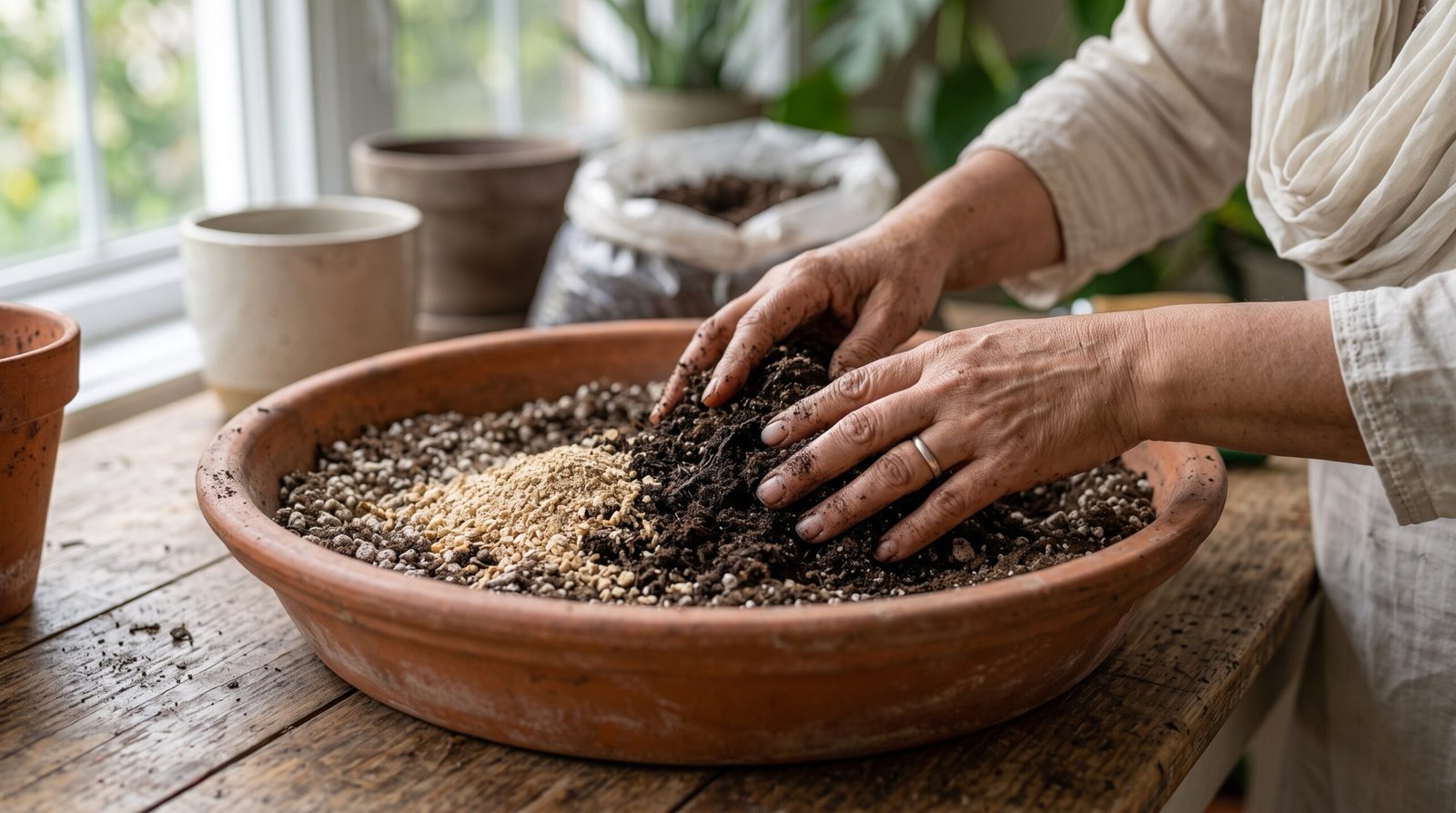
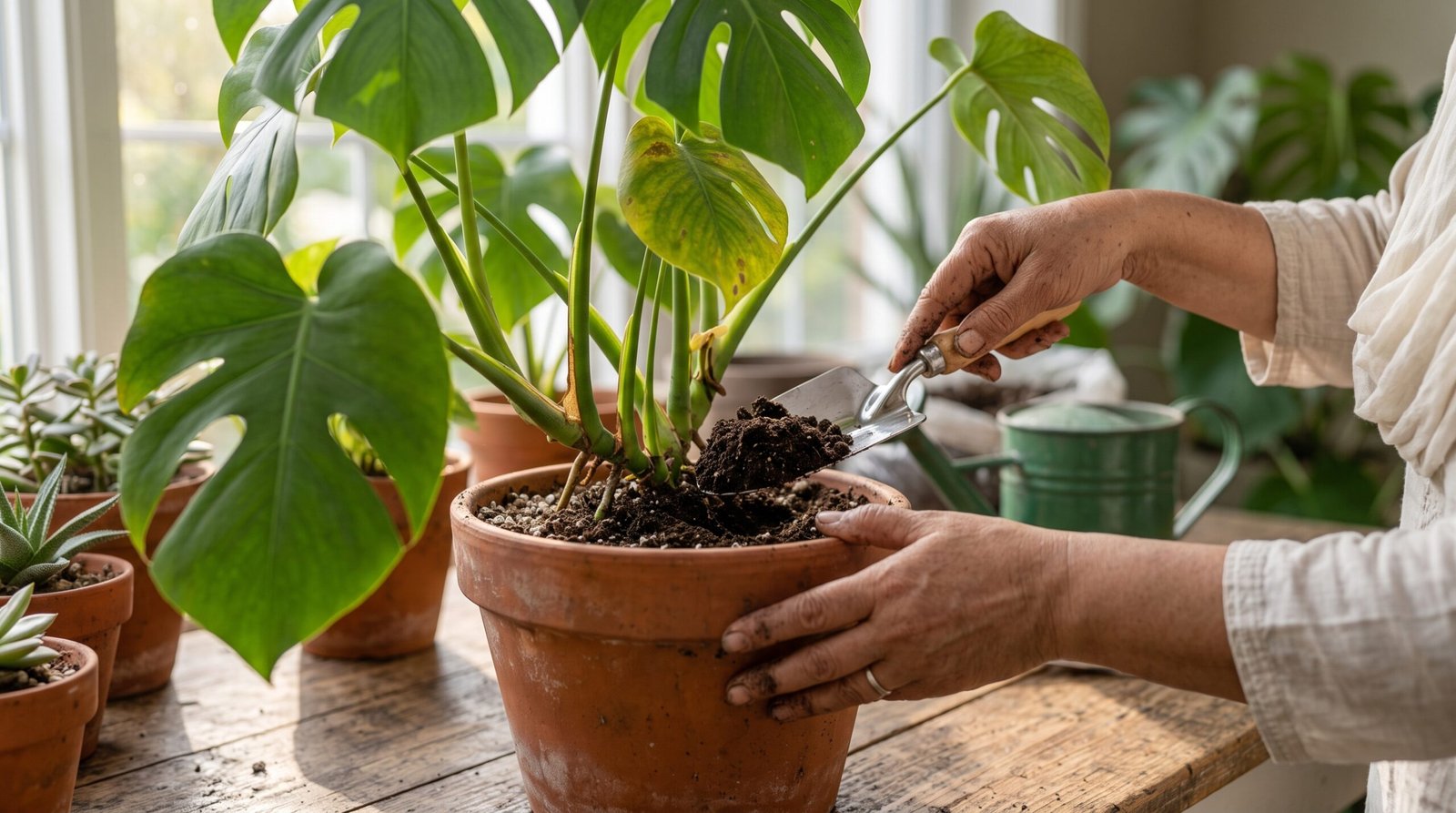
Mix dry amendments directly into potting soil during repotting or scratch them into the top 2 inches of garden beds (top-dressing). Rain and irrigation slowly break down these particles over 1 to 3 months.
Liquid Bio-Stimulants & Teas
Dilute liquid seaweed, compost tea, or fish emulsion into water for quick root drenches or foliar sprays. Foliar feeding allows plants to absorb micronutrients directly through stomata on their leaves within hours.
Seasonal Organic Fertilization Schedule
- Spring (Active Growth): Apply balanced granular organic fertilizer or compost to wake up sleeping root systems.
- Summer (Peak Blooming/Fruiting): Supplement with high-phosphorus bone meal or liquid kelp every 2 to 4 weeks to sustain blossoms and leaf production.
- Autumn (Preparation): Reduce nitrogen inputs to prevent tender new growth right before frost, focusing instead on potassium for root hardiness.
- Winter (Dormancy): Pause fertilization completely for indoor houseplants and dormant outdoor perennials to prevent soil salt buildup.
Conclusion
Following this best organic plant fertilizers guide allows you to nourish your plants while actively building vibrant, living soil. By selecting high-quality organic amendments like compost, kelp meal, and bone meal, you give your indoor and outdoor garden the exact bio-available nutrients needed for sustained health, lush foliage, and strong root development.
Frequently Asked Questions
What is the safest best organic plant fertilizers guide recommendation for houseplants?
Diluted liquid seaweed or kelp meal extract is one of the safest options for indoor houseplants. It delivers gentle trace minerals and plant hormones without emitting heavy odors or burning tender roots.
How quickly do organic fertilizers start working?
Liquid organic options (like fish emulsion or kelp tea) work within 24 to 48 hours. Granular dry amendments (like bone meal or blood meal) take 2 to 6 weeks to break down through microbial activity.
Can you over-fertilize plants using organic fertilizers?
Yes, high-nitrogen organic amendments like blood meal or concentrated poultry manure can still burn roots or cause excessive leaf growth if applied in excess. Always follow product dosage instructions.
1 thought on “Fertilizers: Best Organic Plant Fertilizers Guide”