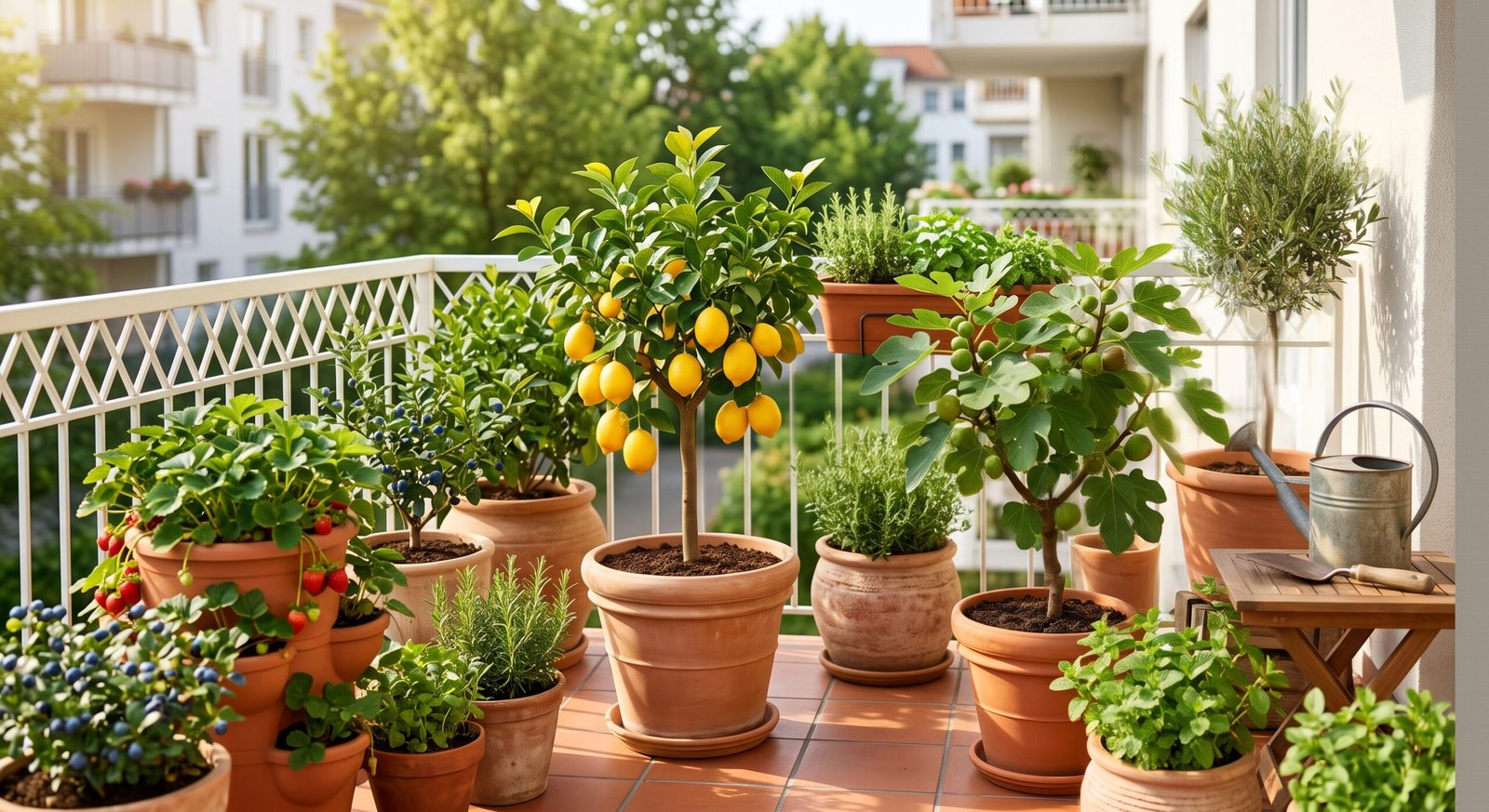
Cultivating homegrown produce is no longer limited to large backyards or spacious orchards. Growing fruit plants in containers allows urban gardeners, apartment dwellers, and suburban homeowners to produce fresh, sweet, and organic fruits on sunny patios, balconies, or decks. Container gardening offers total control over soil nutrition, drainage, and seasonal mobility, making fruit cultivation accessible to gardeners of all experience levels.
By selecting suitable dwarf or patio cultivars and providing structured root care, you can enjoy abundant annual yields of citrus, berries, and stone fruits right outside your door.
Key Takeaways
- Ideal Cultivars: Choose dwarf, semi-dwarf, or self-pollinating varieties engineered specifically for container living.
- Container Drainage: Use containers with adequate drainage holes (at least 10–15 gallons in size) to prevent waterlogging and root rot.
- Sunlight Needs: Position potted fruit plants where they receive a minimum of 6 to 8 hours of direct daily sunlight.
- Soil Selection: Always use a light, well-draining potting mix enriched with perlite and organic matter—never dense topsoil.
- Routine Nutrition: Regularly replenish nutrients with balanced, slow-release organic fertilizers, as potted soil loses minerals during watering.
Why You Should Consider Growing Fruit Plants in Containers
Switching to container gardening simplifies plant care while expanding your growing possibilities. Planting in pots eliminates traditional ground challenges, such as heavy clay soil, invasive weeds, and soil-borne diseases.
Best Fruit Cultivars for Pots and Planters
Not every fruit tree thrives in a pot, but specialized compact varieties produce standard-sized fruit on compact frames.
1. Citrus Trees (Lemons, Limes, Kumquats)
Citrus trees are among the most popular choices for growing fruit plants in containers. Varieties such as Improved Meyer Lemon and Key Lime adjust well to pot culture. They prefer warm temperatures, high ambient humidity, and slightly acidic potting media.
2. Berry Bushes (Blueberries, Strawberries, Raspberries)
Bush fruits have relatively shallow root structures, making them exceptionally suited for pots. Blueberry cultivars like ‘Top Hat’ or ‘Sunshine Blue’ offer beautiful seasonal foliage alongside high berry production. Strawberries can even be grown in vertical tier planters to save space.
3. Dwarf Stone Fruits & Figs (Peaches, Nectarines, Figs)
Genetic dwarf peaches (such as ‘Bonanza’) and patio fig varieties (‘Little Miss Figgy’) reach mature heights under five feet. They bear abundant, sweet fruit without overcrowding your patio.
Pot Selection and Soil Mix Preparation
The container foundation determines the long-term health and fruit production of your trees.
Choosing Container Materials
Select a container with multiple drainage holes at the base. Material choices include:
- Terracotta/Clay: Highly porous and breathable, but dries out faster and may crack during winter freezes.
- Plastic or Resin: Lightweight, durable, and cost-effective, though less breathable than clay.
- Fabric Smart Pots: Provide root aeration and prevent root circling, though they require more frequent watering.
Crafting the Perfect Potting Mix
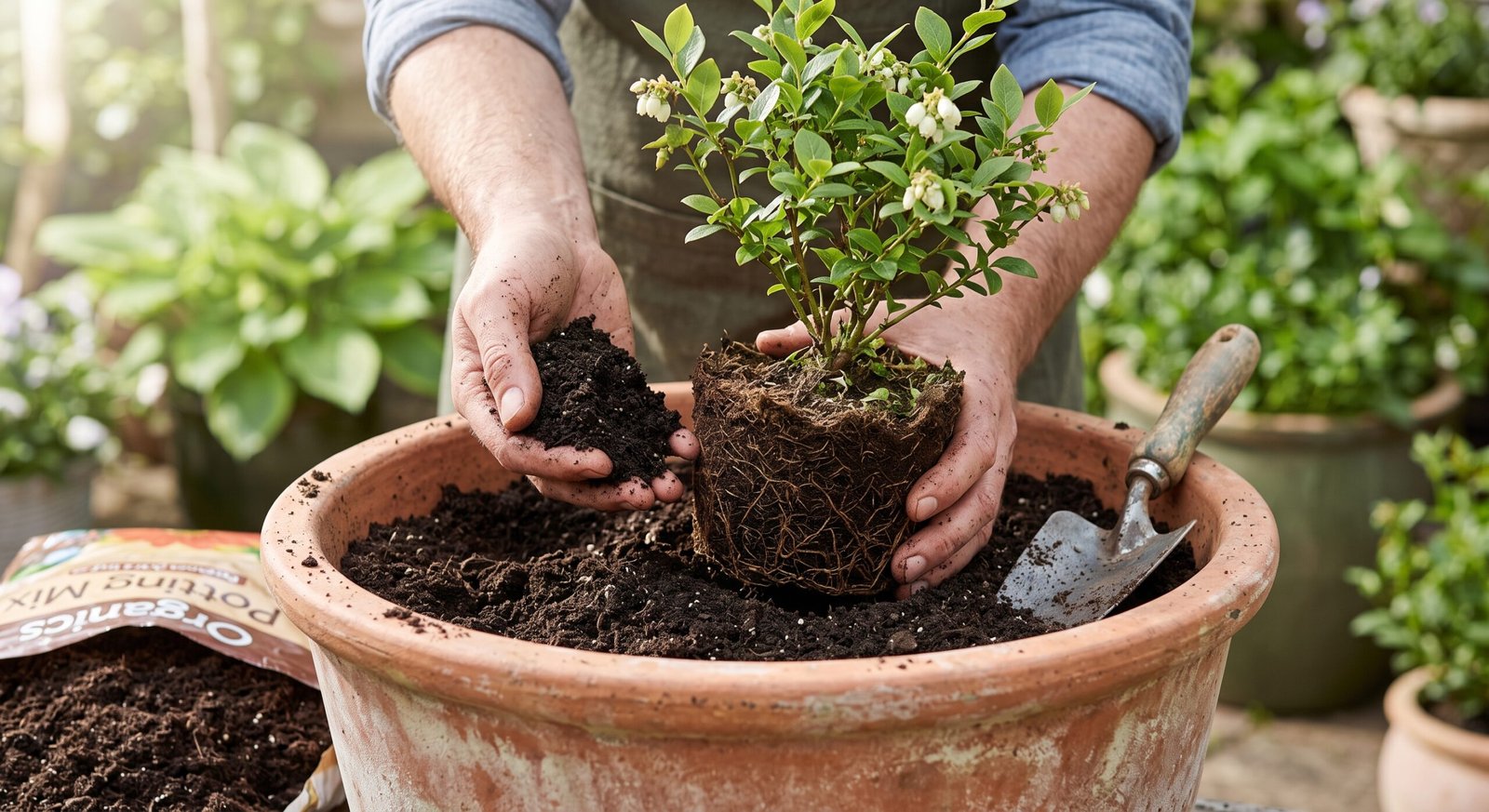
Never use garden topsoil when growing fruit plants in containers, as it compacts easily and suffocates roots. Opt for a commercial potting soil formulated with peat moss, coconut coir, perlite, and aged compost to maintain proper moisture retention and aeration.
Routine Care: Sunlight, Irrigation, and Feeding
Sunlight Optimization
Place your containers in a spot receiving 6 to 8 hours of uninterrupted sunlight each day. If natural light is limited, supplement with high-output LED grow lights indoors.
Moisture Management
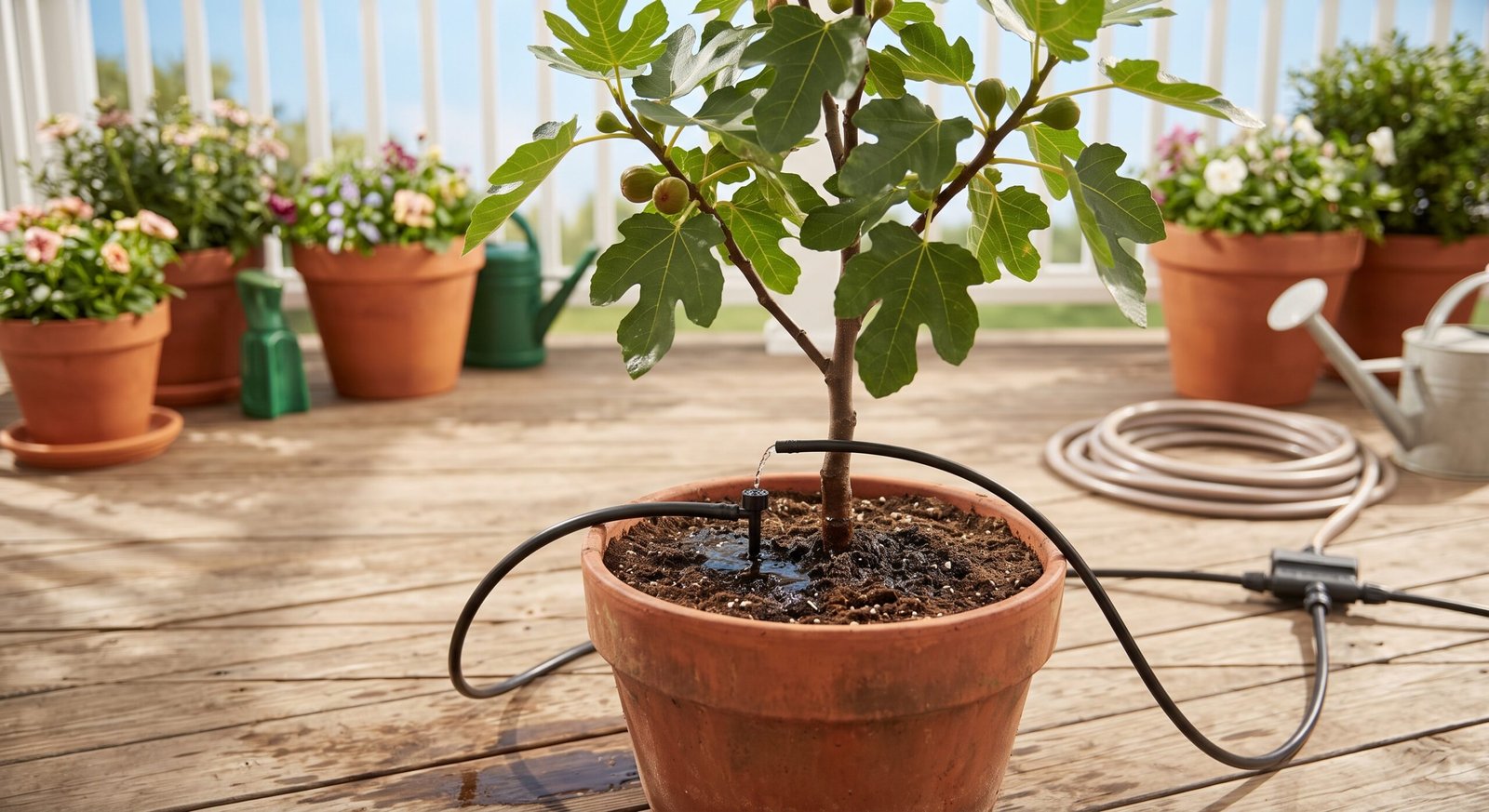
Potted soil dries faster than ground soil, especially during summer heatwaves. Water thoroughly whenever the top two inches of soil feel dry, ensuring excess water drains freely from the base.
Nutritional Support
Because frequent irrigation washes nutrients out of container media, feed your plants with a balanced, slow-release organic fertilizer in early spring, followed by liquid kelp or fish emulsion every three weeks during active growth.
Pruning, Winterization, and Repotting
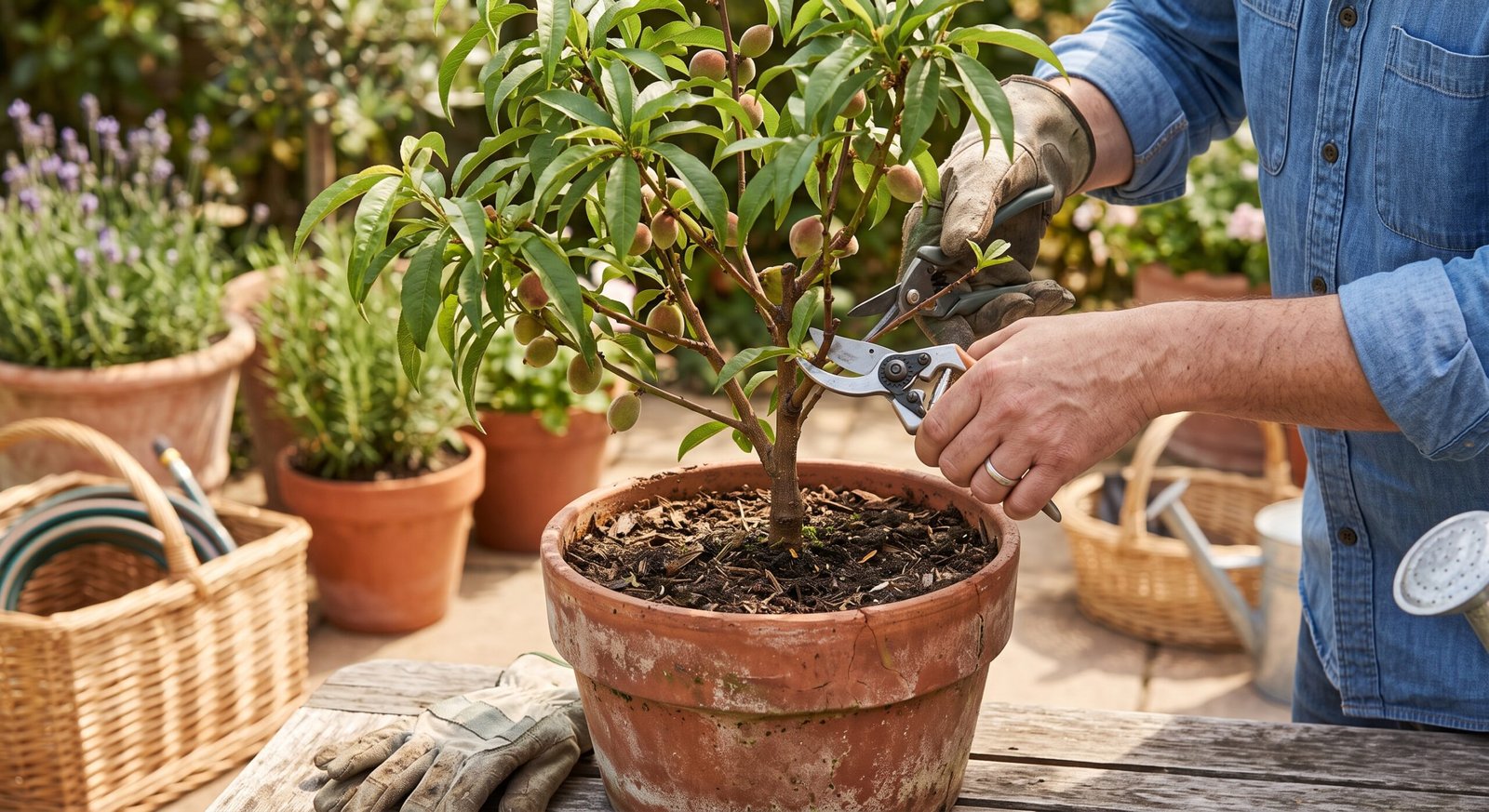
Pruning Techniques
Prune your trees during their dormant period in late winter. Remove dead, diseased, or crossing branches to encourage light penetration and air circulation through the canopy.
Winter Protection
In colder climates, wrap outdoor pots with burlap or bubble wrap to insulate root systems from freezing temperatures. Move tender subtropical species into an unheated garage or sunroom before the first freeze.
Refreshing Soil and Repotting
Every two to three years, refresh the potting medium. Gently root-prune root-bound plants by trimming an inch off the outer root mass before repotting into fresh soil.
Conclusion
Mastering growing fruit plants in containers opens up rewarding opportunities for fresh, seasonal harvests in limited spaces. By choosing suitable dwarf cultivars, using well-draining soil mixes, and maintaining a consistent watering schedule, you can create a productive patio orchard that yields delicious fruit season after season.
Frequently Asked Questions
What are the easiest fruit plants to grow in containers for beginners?
Dwarf blueberries, strawberries, and Meyer lemons are widely considered the easiest options for beginners due to their compact root systems and high adaptability to pot environments.
How large should a container be for growing fruit trees?
Young fruit plants can start in 5- to 7-gallon containers, but mature dwarf fruit trees generally require a 10- to 20-gallon pot for long-term health and stability.
Do fruit plants grown in containers need full sun?
Yes, most fruit species require at least 6 to 8 hours of direct daily sunlight to blossom and develop sweet, high-quality fruit.
1 thought on “Fruits: Growing Fruit Plants in Containers”