
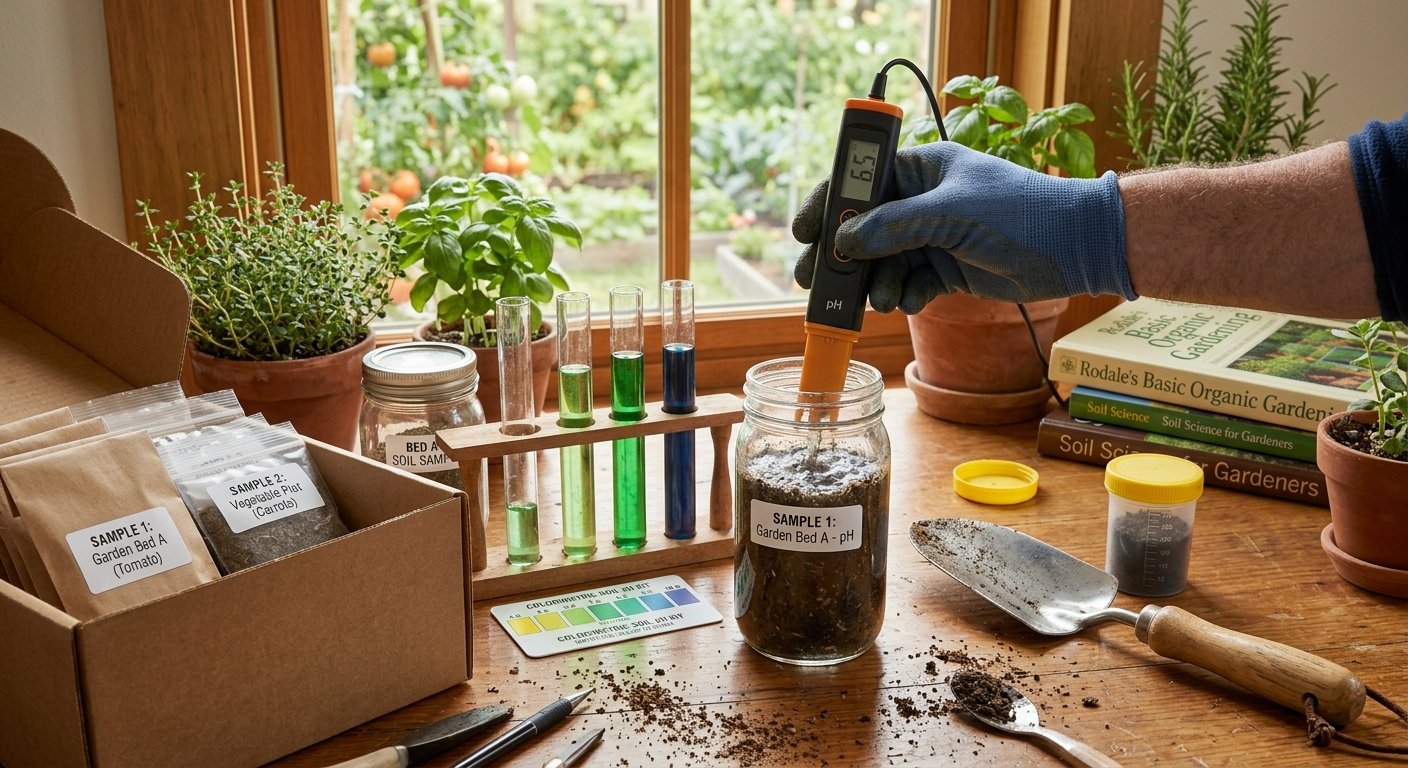
Healthy plants start with healthy ground, and learning how to test soil for garden beds is the single best investment you can make before planting. Skipping soil testing often leads to mystery nutrient deficiencies, stunted growth, or wasted money on unnecessary fertilizers.
Testing reveals your soil’s pH balance, moisture retention capacity, texture composition, and essential nutrient levels (nitrogen, phosphorus, and potassium). Armed with these precise insights, you can amend your soil accurately and give your garden the optimal conditions to thrive.
Key Takeaways
- Test pH First: Soil pH dictates nutrient availability; most vegetables prefer a slightly acidic to neutral range of 6.0 to 7.0.
- Assess Texture Type: Use the simple mason jar feel test to determine your ratio of sand, silt, and clay.
- Check Drainage Rates: Run a percolation test to ensure roots get adequate hydration without suffering from waterlogged rot.
- Send to a Lab for Accuracy: While DIY kits work for quick pH checks, professional cooperative extension lab tests provide comprehensive nutrient readings.
- Test Seasonally: Sample soil in early spring or late autumn before adding fresh compost or granular amendments.
Why Testing Your Soil Is Essential
Understanding how to test soil for garden success saves time, money, and plant loss. Plants require specific soil conditions to absorb vital minerals through their roots. If your pH is out of balance, nutrients remain chemically locked in the soil, completely inaccessible to plant roots regardless of how much fertilizer you apply.
Regular testing identifies deficiencies early, prevents nutrient toxicity from over-fertilizing, and ensures your soil structure supports healthy root respiration.
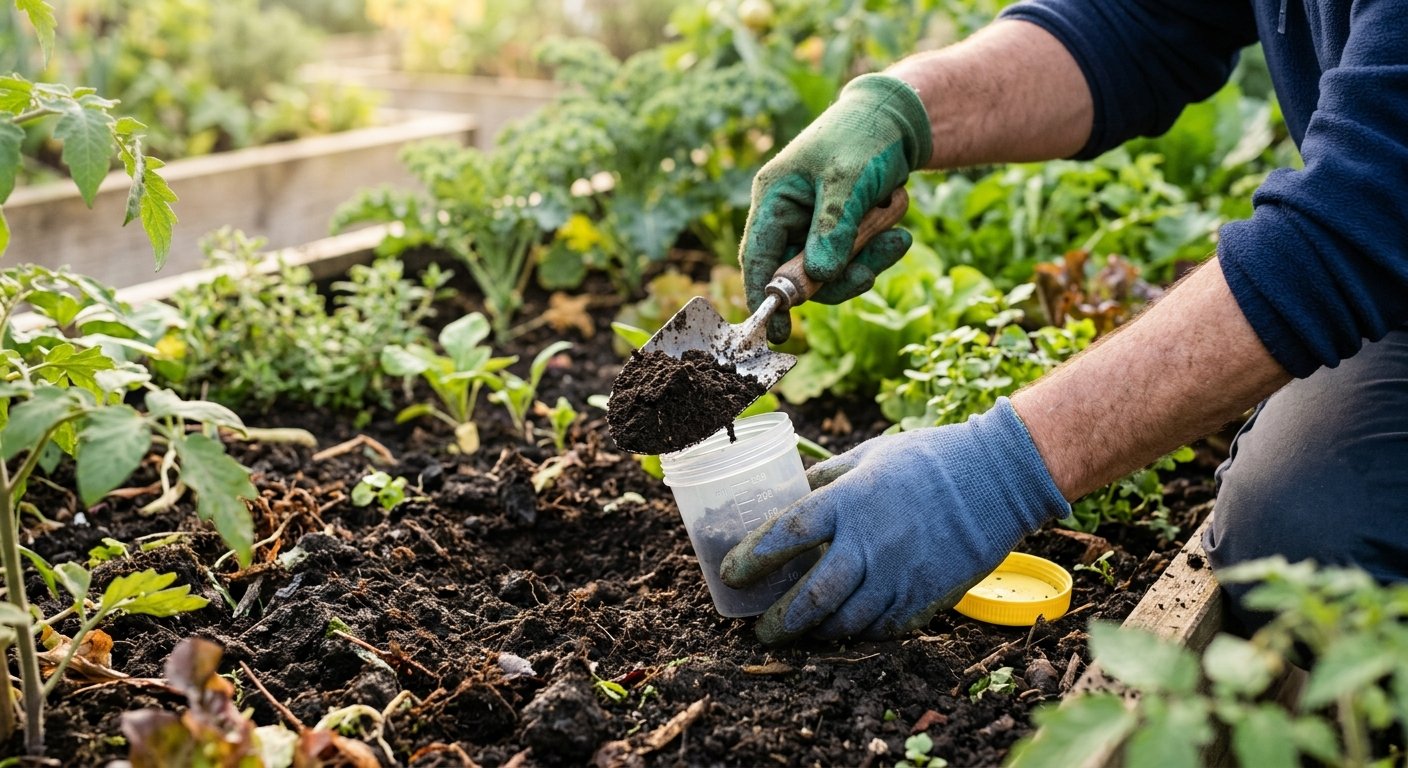
Simple DIY Methods: How to Test Soil for Garden Beds
You do not need expensive equipment to gather immediate insights about your garden soil.
1. The Mason Jar Soil Texture Test
Determine whether you have sandy, loamy, or clay-heavy soil:
- Fill a glass mason jar 1/3 full with a clean soil sample taken from 4 inches below the surface.
- Add water until the jar is 4/5 full, along with 1 drop of liquid dish soap.
- Shake vigorously for 60 seconds and set it on a flat surface.
- Sand settles in 1 minute, silt in 2 hours, and clay remains suspended for up to 24–48 hours. Measure the layers to calculate your soil composition ratio.
2. The Drainage Percolation Test
- Dig a hole 12 inches deep and 12 inches wide.
- Fill the hole with water and let it drain completely to saturate the surrounding earth.
- Fill it again and measure how many inches the water level drops per hour.
- Ideal Drainage: 1 to 2 inches per hour.
- Poor Drainage: Less than 1 inch per hour (indicates dense clay).
- Excessive Drainage: More than 4 inches per hour (indicates high sand content).
Testing Soil pH and Nutrients
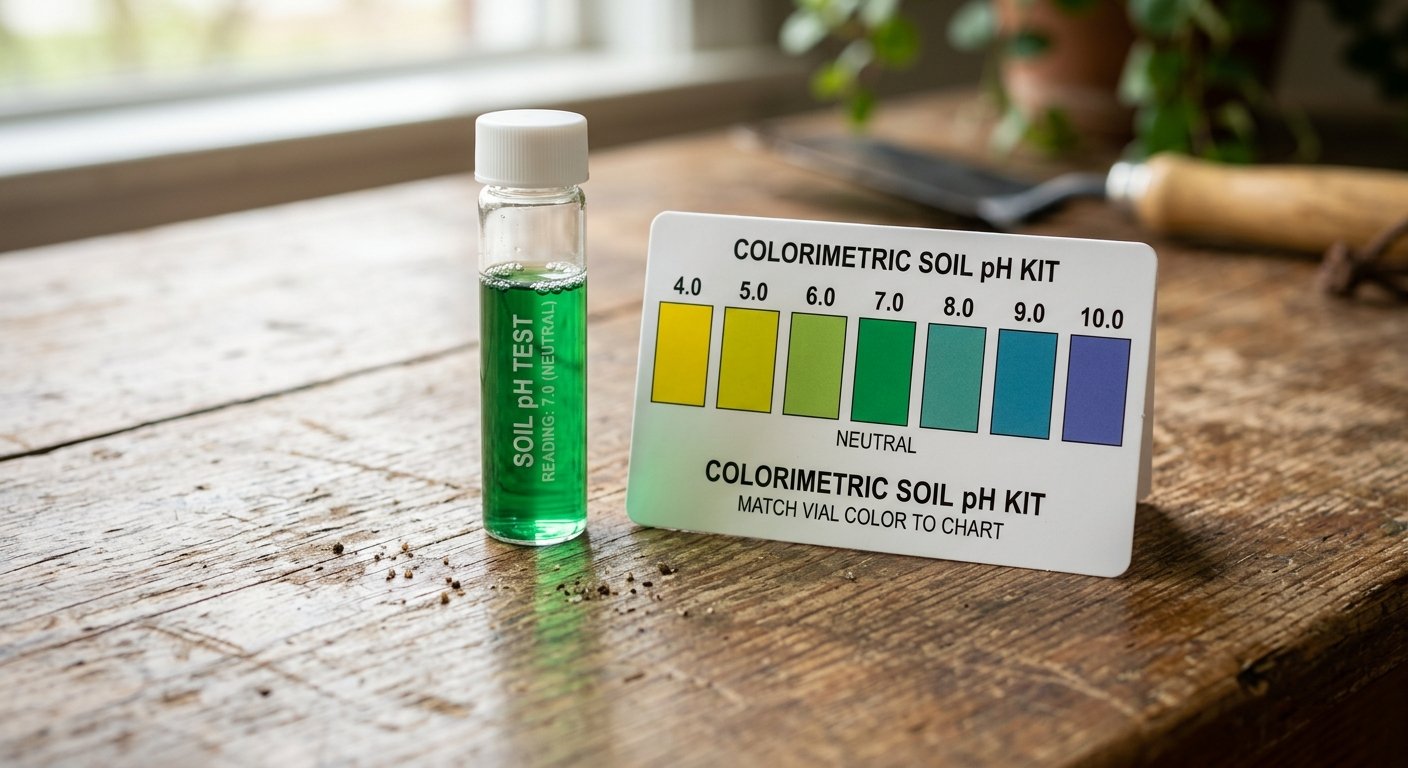
Accurate pH testing ensures your plants can extract nutrients effectively.
How to Use a DIY pH Kit
- Collect soil from 3 to 4 spots around your garden bed to get an average sample.
- Mix the soil sample with distilled water according to kit instructions.
- Add the test powder or solution, shake, and compare the color reaction against the provided pH color chart.
[External Link: Read the USDA National Resources Conservation Service guide on soil quality indicators]
When to Send Samples to a Professional Lab
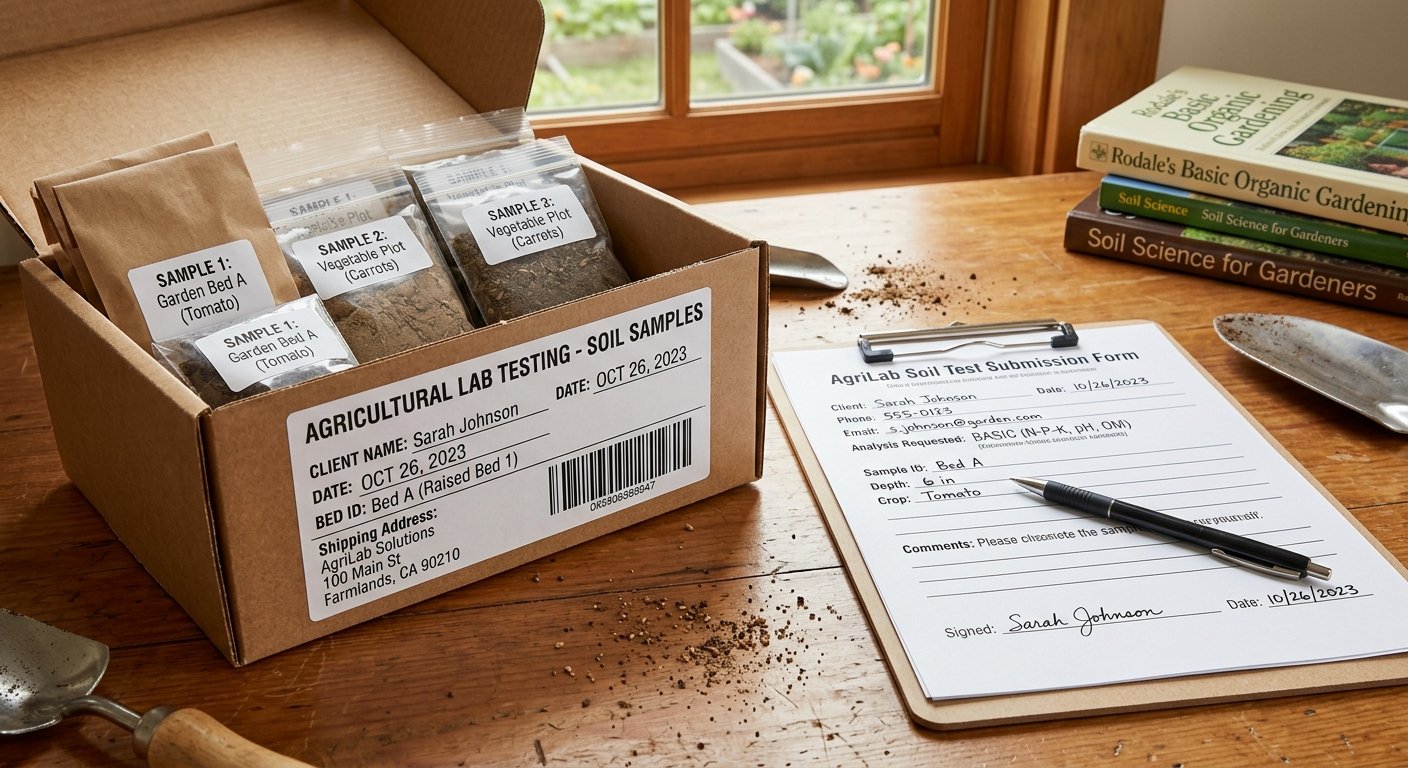
While home kits provide fast estimates, professional state university cooperative extension labs offer advanced diagnostic reports:
- Macronutrient Breakdown: Exact levels of Available Phosphorus (P), Potassium (K), Calcium (Ca), and Magnesium (Mg).
- Organic Matter Percentage: Identifies if your soil needs additional composted matter.
- Customized Amendment Recommendations: Gives precise application rates for lime (to raise pH) or sulfur (to lower pH) per 1,000 square feet.
Conclusion
Knowing how to test soil for garden health eliminates guesswork and sets your plants up for maximum yield and disease resistance. By combining simple home tests for texture and drainage with periodic lab analysis for pH and nutrients, you can build rich, fertile soil that powers a thriving garden year after year.
Frequently Asked Questions
How often should I test my garden soil?
Test your soil every 2 to 3 years. If you are starting a new garden bed or troubleshooting severe plant growth problems, test immediately before planting.
Can I test garden soil pH using household vinegar and baking soda?
Yes, for a quick qualitative check. Vinegar fizzes when mixed with alkaline soil, while water and baking soda fizz when mixed with acidic soil. However, this does not give a precise numerical pH reading.
What is the ideal soil pH for most garden vegetables?
Most backyard vegetables grow best in slightly acidic to neutral soil with a pH between 6.0 and 7.0.
1 thought on “Soil: How to Test Soil for Garden”