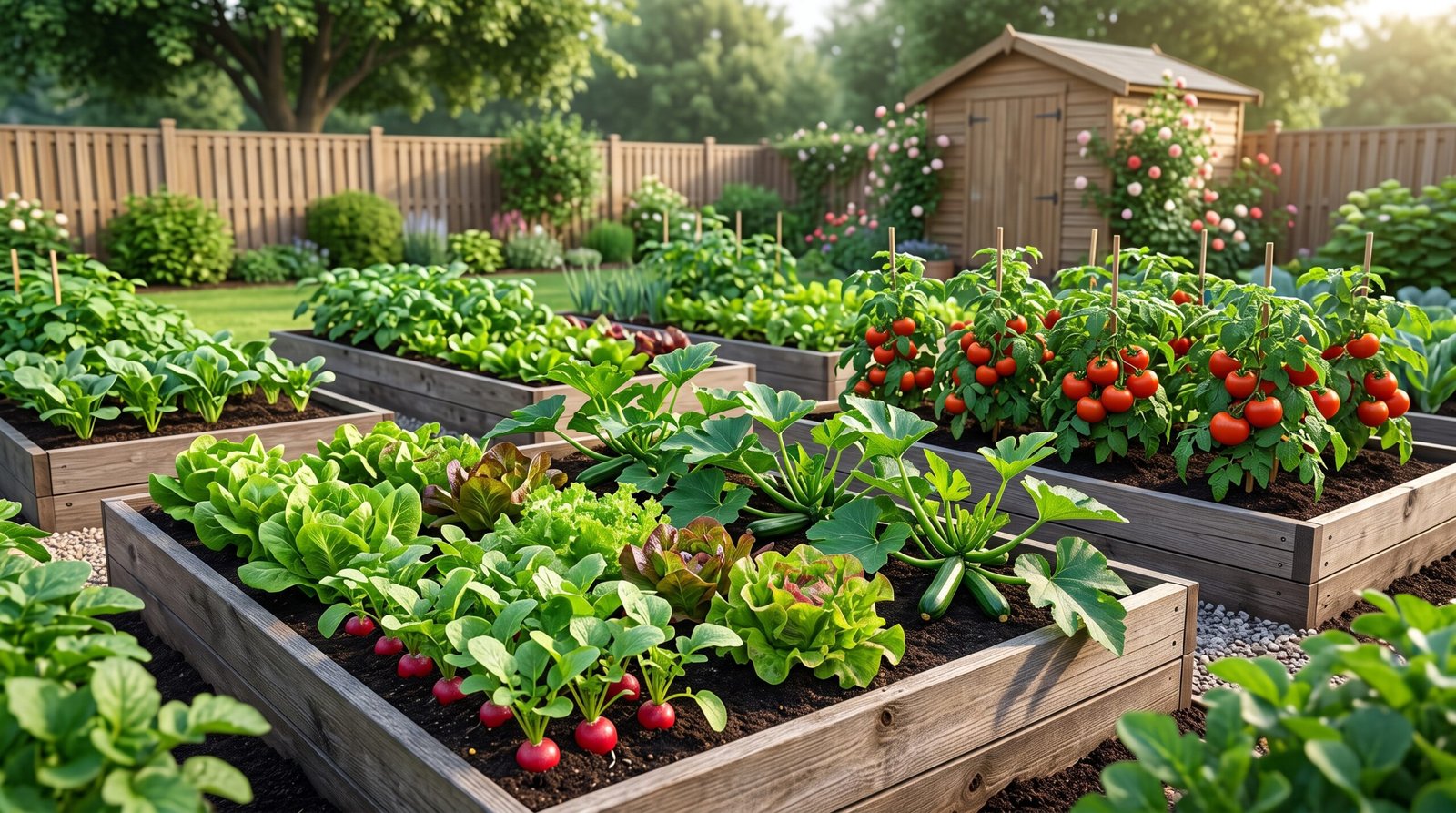
Starting your own garden is one of the most fulfilling steps toward self-sufficiency, fresh nutrition, and sustainable living. Focusing on easy vegetables to grow at home ensures quick success for beginners while minimizing common frustration with pests, disease, or tricky soil conditions.
Whether you have an expansive backyard garden, a small raised bed, or a sunlit apartment balcony, cultivating your own crops allows you to harvest organic produce right from your doorstep.
Key Takeaways
- Fast Yields: Crops like radishes, spinach, and bush tomatoes offer quick maturity with minimal maintenance.
- Sunlight Needs: Most beginner-friendly vegetables require a minimum of 6 full hours of direct sunlight daily.
- Soil Quality: Using rich, well-draining soil mixed with organic compost prevents root rot and boosts crop performance.
- Container Versatility: Many easy crops thrive in containers, making them perfect for small patios or balconies.
- Consistent Moisture: Regular, even watering prevents issues like blossom end rot and stunted root development.
Why Start with Easy Vegetables to Grow at Home?
For first-time gardeners, selecting forgiving crops builds confidence and establishes basic plant care routines. High-yielding, low-maintenance vegetables produce abundant harvests without requiring complex pruning or specialized fertilizers.
Growing easy vegetables to grow at home gives you complete control over your food quality. You eliminate synthetic chemical treatments, cut grocery costs, and enjoy nutrient-dense produce harvested at peak flavor.
Top Easy Vegetables to Grow at Home for Beginners
Selecting crop varieties engineered for high adaptability guarantees early success in your gardening journey.
1. Radishes (Fastest From Seed to Plate)
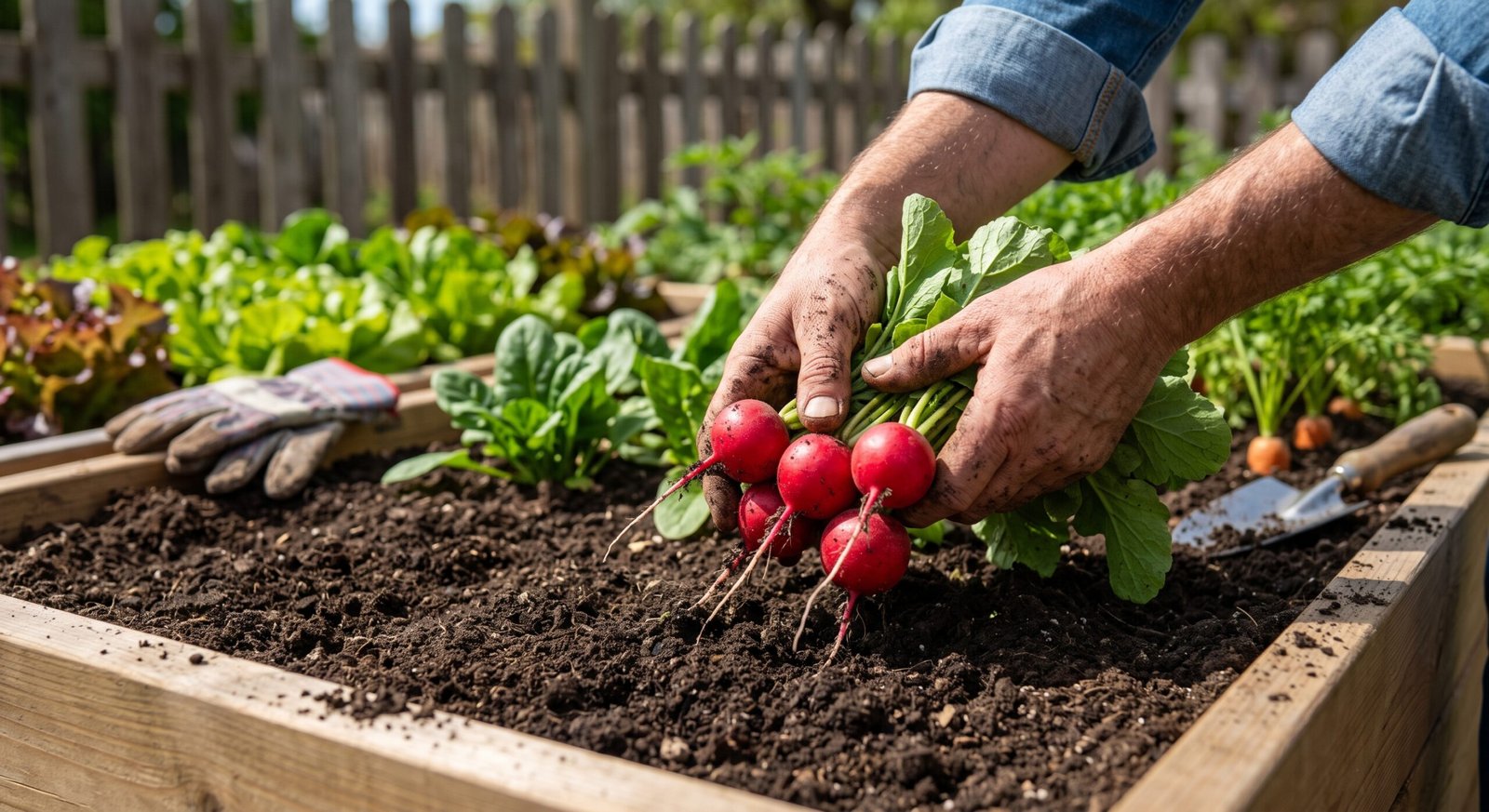
Radishes are widely considered the single easiest crop for beginners. They germinate in just a few days and are ready to harvest in 21 to 30 days. They perform exceptionally well in containers or shallow raised beds.
2. Leaf Lettuce & Spinach (Continuous Cut-and-Come-Again Harvests)
Greens like loose-leaf lettuce, butterhead, and spinach grow rapidly in cool weather. Instead of harvesting the whole head, snip outer leaves as needed, allowing the center to continue producing fresh salad greens for weeks.
3. Bush Tomatoes (High-Yielding & Compact)
While vining pole tomatoes require heavy trellising, compact bush (determinate) cherry tomato varieties produce heavy yields with minimal support. They adjust easily to large pots and thrive in full sun.
4. Zucchini & Summer Squash (Abundant Mid-Summer Harvests)
Zucchini seeds can be planted directly into warm spring soil. A single healthy plant produces an abundance of tender squashes throughout the summer season.
Soil Preparation and Planting Essentials
Soil Conditioning
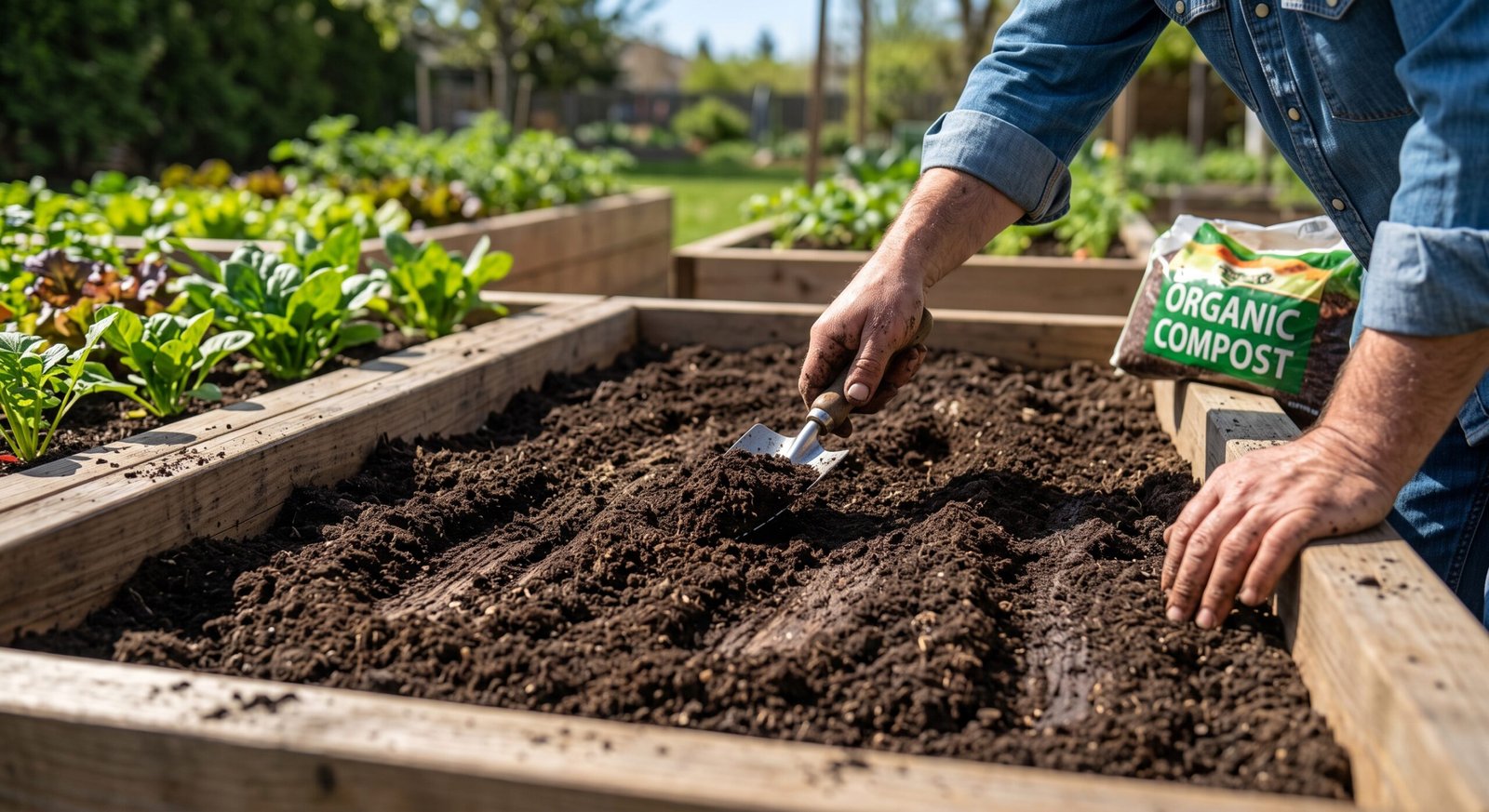
The foundation of any successful harvest lies in the soil. Avoid heavy native clay that compacts easily. Instead, amend your beds with rich compost, peat moss or coconut coir, and perlite to maintain proper aeration and moisture balance.
Direct Sowing vs. Transplanting
- Direct Sowing: Root crops (radishes, carrots) and leafy greens grow best when seeds are sown directly into the soil where they will mature.
- Transplants: Heat-loving crops like peppers and bush tomatoes benefit from starting as young potted nursery plants.
Routine Maintenance: Irrigation, Sunlight, and Feeding
Sunlight Optimization
Position your garden plot or containers in an area that receives 6 to 8 hours of uninterrupted daily sun. Insufficient light results in weak, spindly plants with low yield output.
Smart Watering Practices
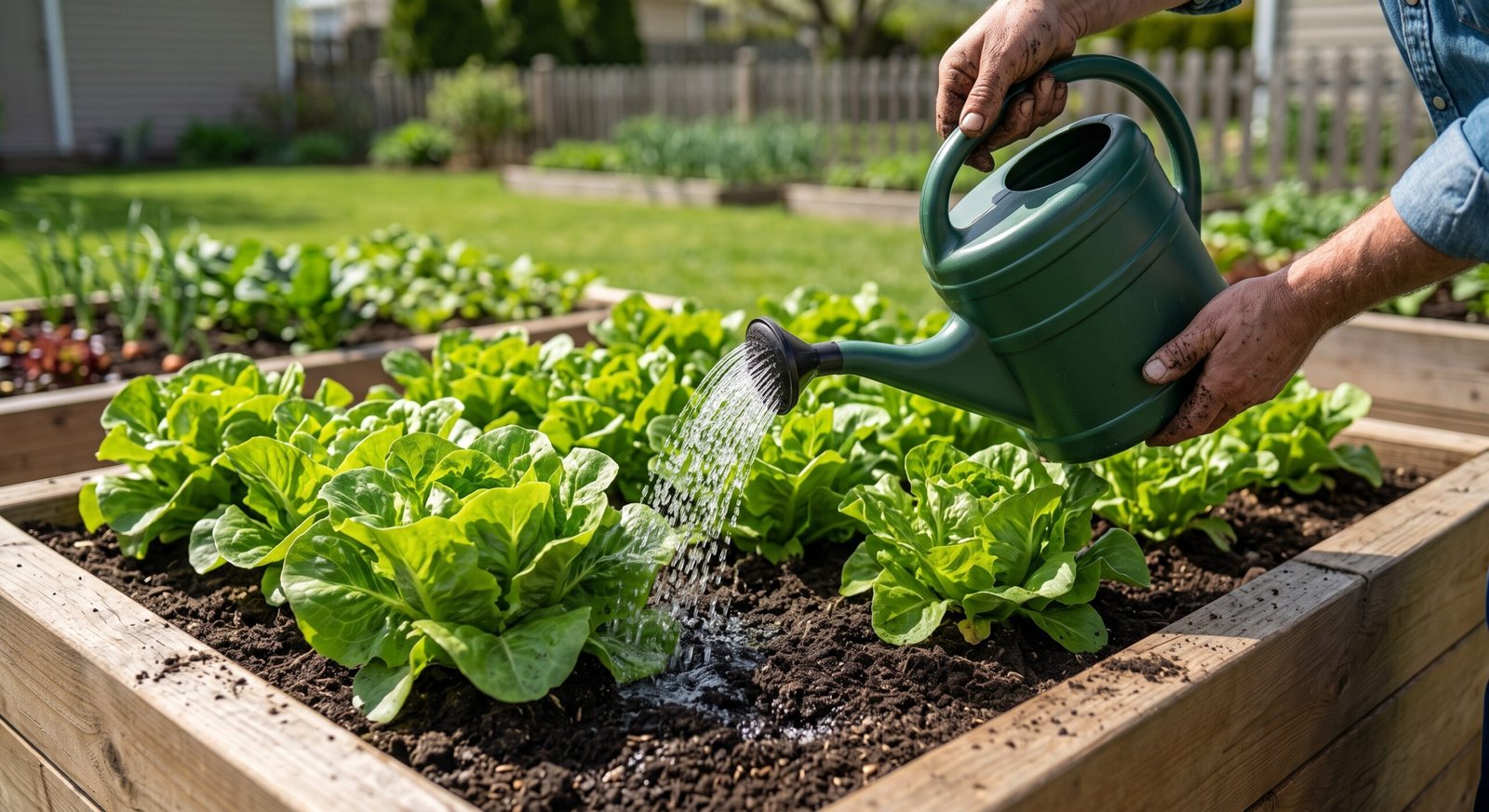
Water early in the morning at the base of the plants rather than over the foliage. This reduces moisture evaporation and prevents fungal diseases like powdery mildew.
Organic Feeding
Apply a balanced, slow-release organic fertilizer at planting time, followed by a liquid fish emulsion or seaweed extract every 3 to 4 weeks during peak growth.
Conclusion
Starting your home garden with easy vegetables to grow at home provides an accessible, low-stress path to fresh harvests. By choosing forgiving varieties like radishes, lettuce, and bush tomatoes, and providing adequate sunlight and compost-rich soil, you can enjoy fresh, homegrown produce throughout the growing season.
Frequently Asked Questions
What is the absolute easiest vegetable to grow at home for beginners?
Radishes are considered the easiest vegetable because they require minimal maintenance and mature in as little as 3 to 4 weeks from direct sowing.
Can I grow easy vegetables at home in containers?
Yes, bush tomatoes, lettuce, radishes, spinach, and mini sweet peppers thrive in containers provided the pots have drainage holes and receive full sunlight.
How often should I water my home vegetable garden?
Water deeply 2 to 3 times per week, or whenever the top inch of soil feels dry. Container gardens may require daily watering during hot summer periods.
1 thought on “Vegetables: Easy Vegetables to Grow at Home”